Why furnace care matters in Calgary
Our winters are long and hard on heating systems. A small plan makes a big difference. Clean filters keep air moving. Clear vents stop shutdowns. A short tune-up once a year catches problems before a cold snap. You do not need a toolbox full of parts. You need a steady routine and a few simple checks.
Safety first
- CO alarms: place one near bedrooms and one near the mechanical room. Test them monthly and replace units that are past the expiry date on the label.
- Gas smell: if you smell gas, leave the home, call the utility from outside, and wait for help.
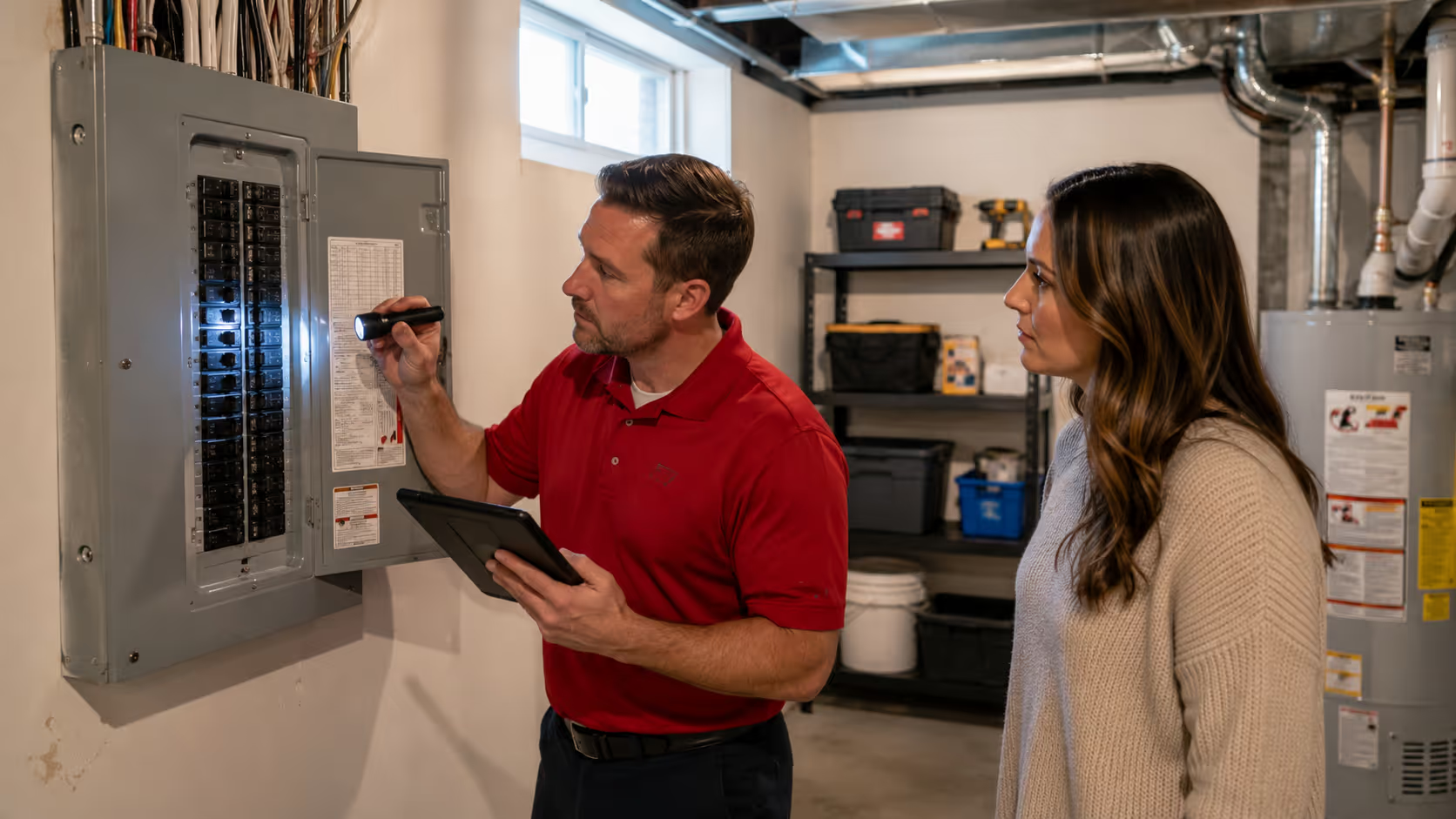
- Power and breaker: know where the furnace switch is and which breaker feeds it. Label both.
Pick the right filter and change it on time
A dirty filter makes the blower work harder and can trip safety limits. The result is short cycling and cold rooms.
- Type: pleated filter with a MERV rating that your furnace can handle. Many homes use MERV 8 to 11. Very high MERV can reduce airflow if the system is not built for it.
- Size: match the size printed on the old filter frame. It should fit snug with no gaps.
- Schedule: check monthly in winter. Replace every 1 to 3 months, faster if you have pets, renovations, or high dust.
- Direction: the arrow on the frame points toward the blower.
Keep supply and return air paths open
Air needs a clear path out of and back to the furnace.
- Do not block returns with furniture or storage boxes.
- Vacuum floor registers and returns so dust does not choke them.
- Open doors a few hours a day in rooms that feel stuffy so air can cycle.
High efficiency intake and exhaust pipes
Most newer furnaces vent through white PVC pipes that exit a wall. Snow, frost, or leaves can block them and shut the furnace down.
- After a storm, check the intake and exhaust outside. Clear snow and ice from the ends and the area around them.
- Look for icing on the exhaust cap during deep cold. If ice builds often, talk to a tech about a cap or routing change.
- Listen for strong airflow at the exhaust when the furnace runs. Weak flow can hint at a blockage.
Condensate lines and traps
High efficiency furnaces make water as they run. That water drains through a small tube to a floor drain or a pump.
- Check that the tube is not kinked or sagging with water pockets.
- Keep the trap full. If the line looks dry and the furnace locks out, the trap may have evaporated in summer. Refill it at the start of heating season.
- If you use a condensate pump, clean the pump basin once a year and confirm the discharge line is clear.
Thermostat habits that help
- Pick a simple schedule that fits your life. Big swings save less than many people think and can make rooms feel uneven.
- Use “circulate” fan mode for part of the hour if rooms feel different. Gentle mixing evens things out.
- Replace old batteries each fall if your wall thermostat uses them.
Humidifier setup for winter
Many Calgary homes have a bypass or fan-powered humidifier on the supply plenum.
- Change the pad each fall. A dirty pad reduces moisture and can smell.
- Set the dial so indoor humidity sits near 30 to 35 percent in cold weather. If windows fog, turn it down a little.
- Close the summer bypass damper before the heating season if your model has one.
Blower, burners, and flame basics
You do not need to take the furnace apart, but a few visual checks help.
- Blower area: a light layer of dust is normal. Heavy lint points to long filter intervals. Ask a tech to clean the wheel during service.
- Burner flame: steady blue is the goal on standard units. Yellow tips or lifting flames need a pro check.
- Ignition: many units use hot surface igniters that wear with time. If the furnace tries to start several times and quits, call a tech.
Ducts and room comfort
If one room is cold, look for simple causes first.
- Registers closed or covered by rugs or furniture
- Return air blocked or missing in that area
- Loose or fallen flex duct in the basement ceiling
- Dirty filter reducing overall flow
If the room still lags, a small balance change or a booster fan may help. For bigger gaps, ask an HVAC pro to review duct layout and static pressure.
What a yearly tune-up should include
A good service visit is part cleaning, part testing, and part safety review.
- Combustion check and flame sensor cleaning
- Blower motor and wheel inspection
- Pressure switch and inducer checks
- Gas pressure and temperature rise readings
- Drain trap and condensate line flush
- Filter check and size confirmation
- Thermostat operation and wiring check
- Discussion of parts near end of life, with photos
Ask for a short report. Photos help you plan and avoid surprise breakdowns.
Common Calgary cold snap issues
- Blocked intake with drifted snow: furnace locks out. Clear the pipe, reset once, and it often runs.
- Frozen condensate at an outside run: lines routed the wrong way can freeze. A tech can re-route or add heat tape where allowed.
- Dirty filter during long run hours: high demand clogs weak filters fast. Keep a spare on hand.
- Iced exhaust cap: repeated icing points to vent design. A small cap change or spacing can fix it.
Simple checks if the furnace stops
- Confirm power at the switch and the breaker.
- Check the thermostat for batteries and call for heat again.
- Replace a very dirty filter.
- Look outside and clear the intake and exhaust pipes.
- Empty a full condensate pump and make sure the line is clear.
- Read the error code on the control board if visible. A short video helps the tech later.
- Press reset once if your model has a reset button. Do not keep pressing it.
Energy and comfort tips that pay off
- Weatherstrip doors and add foam gaskets behind outlet covers on exterior walls.
- Use thick curtains at night and open them on sunny days to gain free heat.
- Seal the attic hatch and add insulation to even out upstairs rooms.
- Run bath fans for 15 to 20 minutes after showers to lower indoor humidity and reduce window frost.
When to call a pro
- Burner flame yellow or sooty
- Repeated shutdowns with error codes
- Strong smell of gas or melted wiring
- Loud grinding or scraping at the blower
- Water at the base of the furnace that keeps returning
New builds and first-year notes
Fresh drywall dust and construction debris clog filters fast. Change filters more often during the first winter. Confirm that intake and exhaust pipes slope back to the furnace so condensate drains to the trap, not to the outside wall. If you feel drafts at the attic hatch or see frost at upstairs windows, bring it up during your one-year warranty review.
Smart thermostat basics
Pick a model that is simple to use. Set one or two steady temperature blocks per day. Avoid deep setbacks during cold snaps. If you install a smart stat on a system with a humidifier, ask the tech to wire it so humidity control still works as planned.
Homeowner checklist you can print
- Test CO alarms and label furnace breaker
- Check and replace the filter as needed
- Clear intake and exhaust after storms
- Clean or flush the condensate line and check the pump
- Change humidifier pad and set to 30–35 percent RH
- Vacuum returns and registers
- Book a yearly tune-up before deep winter
Cost-smart priorities
- Under $50: spare filters, CO alarm batteries, hygrometer for humidity checks.
- Under $250: annual service, humidifier pad, small parts like a flame sensor if needed.
- Larger items: blower cleaning, vent re-route, or control board replacement when parts age out.
FAQ
How often should I service the furnace? Once a year is a good target, ideally in early fall before peak loads.
What humidity should I aim for? Around 30 to 35 percent in winter. If windows fog, drop it a little.
Do thicker filters always help? Not always. Very high MERV can choke airflow on systems not built for it. Match the filter to the furnace and the duct size.
Why does the furnace start and stop often? Short cycling comes from clogged filters, poor airflow, oversize equipment, or safety limits. Start with a new filter and clear vents, then call a tech if it continues.
The payoff
A clean filter, clear vents, and a short yearly tune-up give you steady heat, quiet runs, and fewer surprises during deep cold. Rooms feel even, energy use drops a bit, and you spend less time worrying about a shutdown on a minus twenty night. That is the goal in Calgary, and it is reachable with this simple plan.

.avif)