Frozen pipes can go from a small worry to major water damage fast. Learn how Calgary homeowners can spot risk early, protect vulnerable lines, and avoid costly winter pipe bursts.
.avif)
Calgary winters can turn a small weakness in your plumbing into a big repair bill. One cold night is enough to freeze a vulnerable pipe. Then the weather shifts, the pipe thaws, and water starts pouring into walls, ceilings, cabinets, or basements. By the time many homeowners notice the problem, the real damage is already done.
The good news is that frozen pipes are often preventable. Most of the risk comes from a few common trouble spots and a few habits that are easy to fix once you know where to look.
A pipe does not need to sit outside to freeze. It only needs to sit in a part of the home that gets cold enough for long enough. This often happens when water lines run through:
When the pipe gets cold, the water inside begins to freeze. The real danger is not the ice itself. The danger is the pressure that builds when water expands and pushes against the closed section of pipe. That pressure can split copper, crack plastic fittings, or force open a weak joint.
Not every house faces the same level of risk. Some homes have plumbing layouts that are simply more exposed to winter conditions.
Older homes may have less insulation, more air leakage, and plumbing routes that would not be planned the same way today. A pipe that survived twenty winters can still freeze if one draft path gets worse or a heat pattern changes.
New builds are not immune. If a bonus room over the garage is cold, or a bathroom on an exterior wall feels chilly, water lines in those zones may be more exposed than expected.
Renovations can create new risk too. Removing insulation, reworking cabinets, or changing airflow around a pipe can make a once-safe line more vulnerable.
If you want to prevent pipe problems, start with the places where they happen most often.
This is one of the biggest winter trouble spots. The cabinet blocks room heat from reaching the plumbing. If cold air leaks through the wall behind the cabinet, the pipes can freeze even while the kitchen itself feels warm.
These have the same problem. Plumbing hides inside a cabinet, behind a closed door, next to an exterior wall. Add a cold snap and low room airflow, and the risk climbs fast.
Water lines often run through the basement ceiling. If the floor above gets cold because of a drafty entry or a garage wall, those lines can freeze without much warning.
Any plumbing in or beside a garage deserves attention. Garages are not heated the same way as living spaces, and cold air can spread through shared walls and ceiling cavities.
Outdoor faucets are a classic winter risk. If they are not frost-free, or if they are not drained and shut off properly, they can freeze and crack inside the wall.
Frozen pipes often give small clues before they become full leaks. Catching those clues early can save you a lot of money.
If you notice any of these, do not wait to “see what happens tomorrow.” Act that day.
The best time to deal with frozen pipe risk is before the temperature drops hard. A simple fall and early-winter routine goes a long way.
Foam pipe sleeves are cheap, easy to install, and useful in exposed areas. They do not create heat, but they slow heat loss. That extra time can be enough to prevent freezing during short cold snaps.
A pipe often freezes because cold air is moving across it. Look for gaps where pipes pass through framing, rim joists, or cabinet backs. Sealing those draft paths can help more than insulation alone.
Basements often leak cold air at the rim joist. If pipes run nearby, this area deserves extra attention. Good air sealing and insulation here improves both comfort and freeze protection.
Remove every garden hose before freeze season. If your home has indoor shutoffs for exterior hose bibs, close them and drain the line. If you have frost-free hose bibs, make sure nothing is attached outside, since a connected hose can trap water in the line.
When the forecast drops hard, shift from preparation to active prevention.
Do not lower the thermostat too much overnight. Big setbacks can make exterior-wall plumbing vulnerable. It is usually safer to keep the home at a stable, moderate temperature during deep cold.
For kitchen and bathroom cabinets on outside walls, open the doors so room heat can reach the plumbing. This simple step is one of the easiest ways to reduce risk.
If you know a pipe is vulnerable, let the faucet drip slightly. Moving water freezes more slowly than standing water, and even a small flow can reduce pressure build-up in the line.
During extreme cold, walk the home once or twice a day and check your known trouble spots. Feel cabinet interiors. Look at exposed basement pipes. Watch for weak flow at taps.
If a faucet slows or stops, act fast but stay calm.
If the pipe is behind a wall or you cannot reach it safely, call a plumber. Guessing can make the damage worse.
The first minutes matter most.
Do not assume the leak is “small enough to manage later.” Water damage spreads fast into flooring, drywall, insulation, and framing.
Homes are often most vulnerable when nobody is there to notice a problem. If you leave during winter, take extra steps.
If you shut off the water, know whether your heating system depends on water lines that should remain active. If you are unsure, ask a plumber or HVAC tech first.
A home maintenance inspection can identify the conditions that make frozen pipes more likely. Inspectors often note:
The value is not just “this pipe could freeze.” The value is learning why the risk exists and what to fix before the next cold spell.
Some owners of newer homes assume they are safe by default. That is not always true.
New homes can still have:
If a room felt cold in its first winter, that is already useful information. It may point to a pipe risk even if no leak has happened yet.
Frozen pipe prevention is not complicated. It is mostly about attention, steady heat, and fixing small weak points before winter finds them first. In Calgary, that kind of simple planning can save you from one of the messiest and most expensive kinds of home damage. A little effort now is much cheaper than drywall, flooring, and emergency plumbing later.

Written by the Calgary Property Inspections team, local home inspection professionals helping buyers, homeowners, and new-build owners make safer, clearer decisions about their homes.

Explore tips, updates, and practical advice on buying, maintaining, and protecting your home. Our posts help you stay informed and confident in every decision.
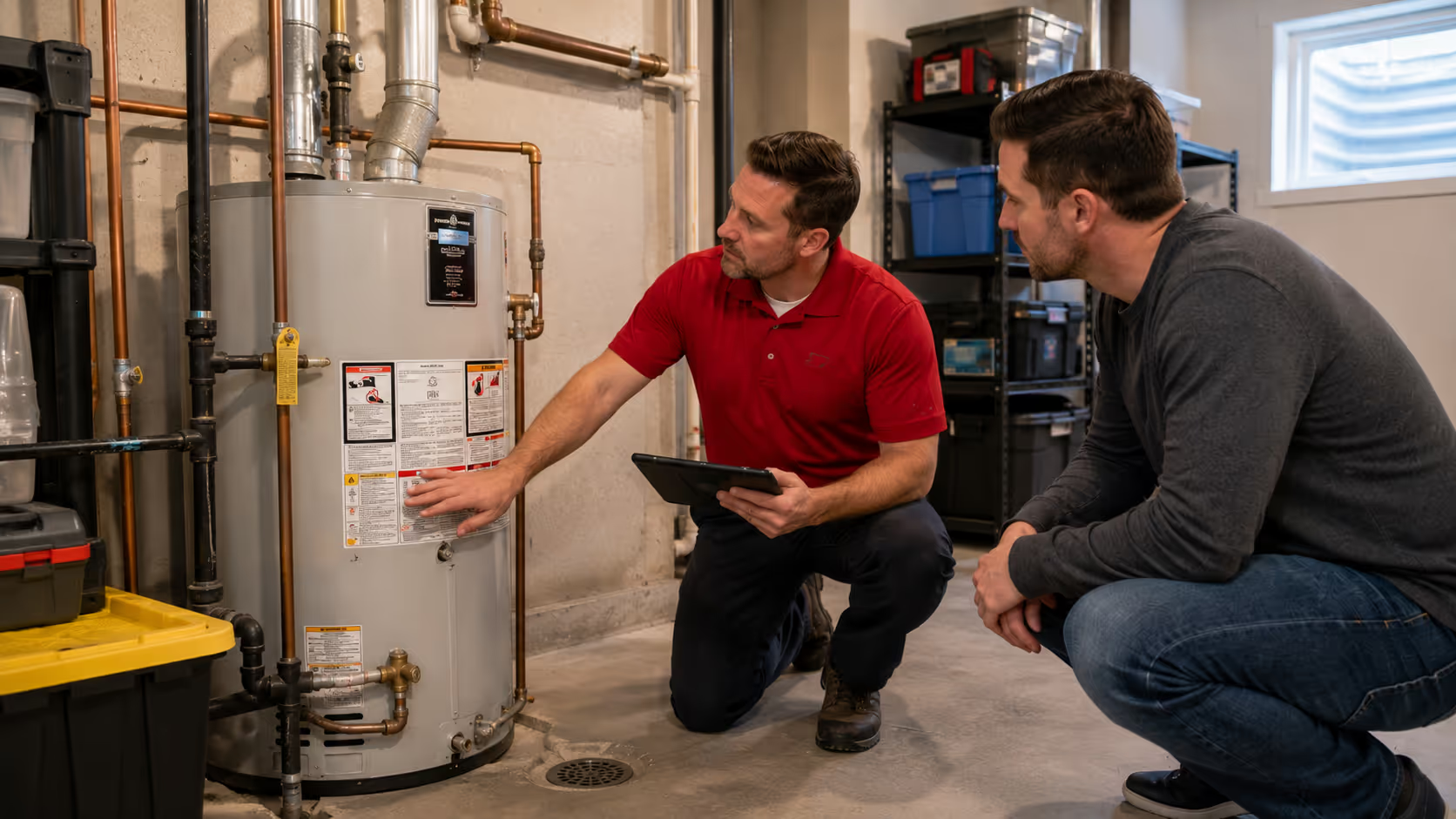
Your water heater works quietly until it does not. Learn what Calgary homeowners should check, when to call a pro, and how to spot early signs of leaks, rust, and poor performance.
read article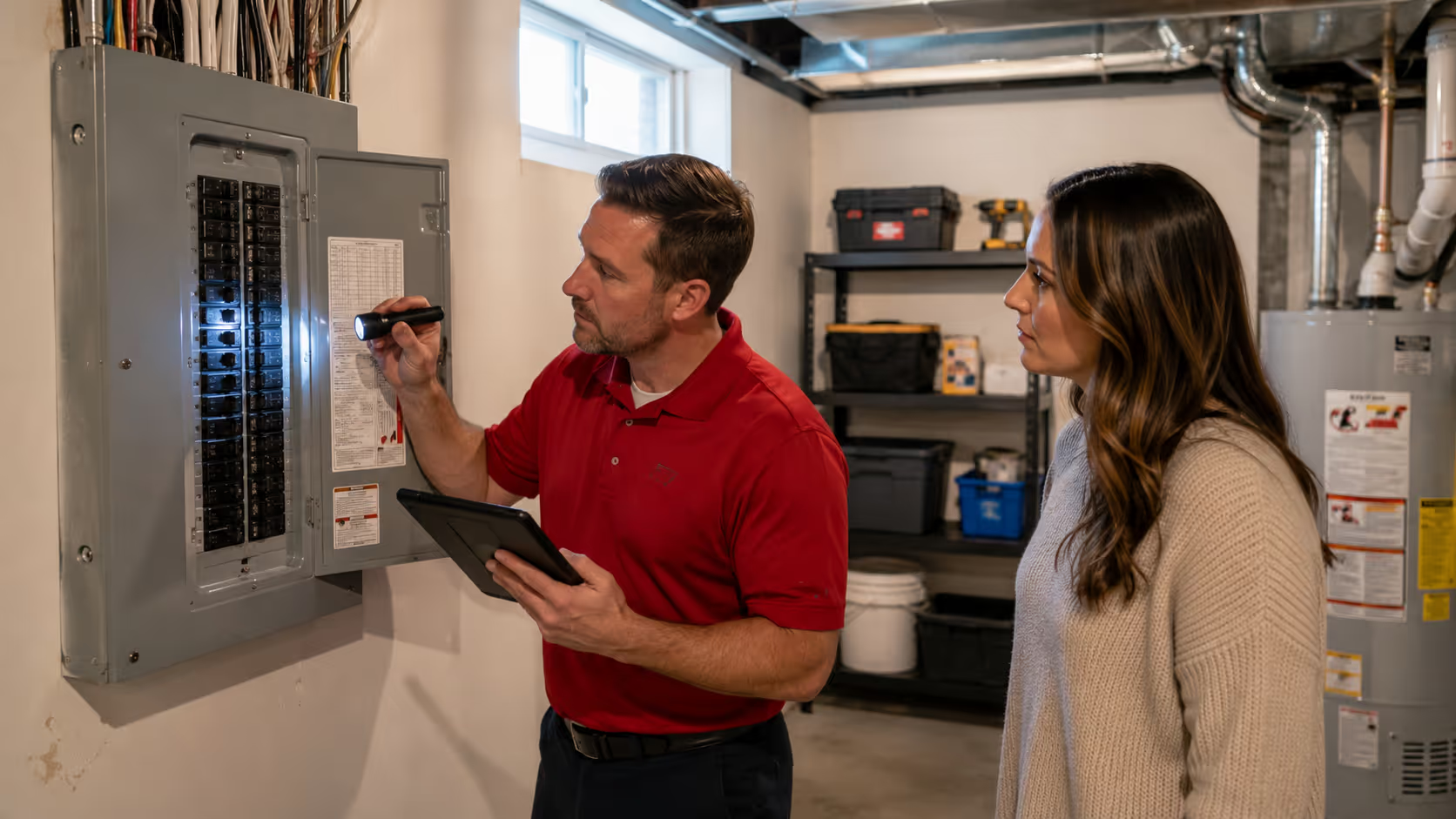
Small electrical issues can point to bigger safety risks. Learn what Calgary homeowners should check, what warning signs matter, and when to call a licensed electrician.
read article
Smoke and carbon monoxide alarms are small devices with a huge job. Learn where to place them, how often to test them, and what Calgary homeowners should check through the year.
read article