Hail can damage roofs, siding, vents, gutters, windows, and outdoor equipment. Use this Calgary checklist to spot early signs, document damage, and plan the right next steps.
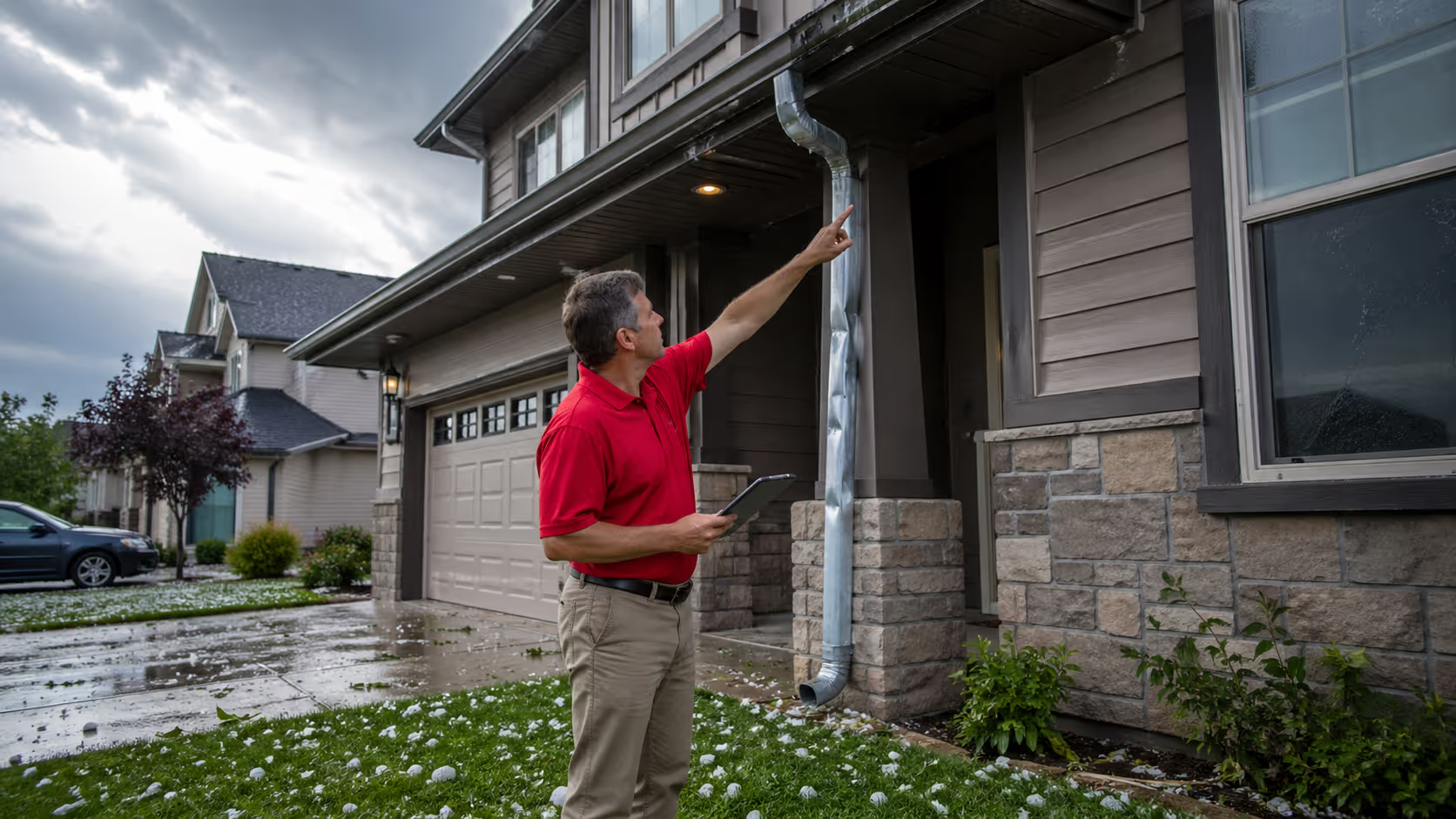
Hail can pass through in minutes and still leave damage that costs real money later. Some signs are easy to see, like dented downspouts or broken siding. Other signs are harder to spot, like bruised shingles, cracked vent caps, loosened flashing, or small gaps around exterior trim.
After a storm, many homeowners look at the yard, see that the house is still standing, and move on. That can be risky. Hail damage can start small, then show up later as roof wear, water staining, siding cracks, or poor drainage. A calm check after the storm helps you understand what happened before the next rain or snow melt tests the home again.
Do not climb onto the roof after a hail storm. Roof surfaces can be slippery, shingles may be damaged, and loose granules can make footing unsafe. You can learn a lot from the ground with a careful walk around the home.
Before you start, watch for:
If anything looks unsafe, step back and call the right professional. A quick photo from a safe distance is enough.
Photos are your best friend after hail. Before you sweep, move patio furniture, or clear the yard, take a simple photo set.
Date the photos if your phone does not do it automatically. If you need to speak with your insurance company, a roofer, or an inspector later, these photos make the story much clearer.
Gutters and downspouts are easy to inspect from the ground, and they often show hail impact clearly. Metal dents can tell you which side of the house took the hardest hit.
If the downspouts show dents, the roof may have taken impact too. Dents do not prove roof failure, but they are a strong clue that a closer roof review makes sense.
You may not see every shingle from below, but you can still spot warning signs.
Do not trust a quick glance from one angle. Walk the front, back, and both sides. Hail often hits one side harder based on wind direction.
Roof vents, furnace intake covers, dryer vents, and exterior hoods can crack or dent during hail. Plastic parts are often more fragile than siding or metal.
A cracked vent cover can let water or pests in. A stuck dryer vent flap can reduce airflow. These are small items, but they matter.
Siding damage depends on material, age, storm angle, and hail size. Vinyl can crack. Stucco can chip. Painted trim can dent or split. Fiber cement can show impact marks.
Look closely near corners and lower walls. Wind driven hail can hit side walls harder than you expect.
Windows may survive the storm but still show smaller issues around them. Screens take hits first. Trim and sealant around windows can crack or loosen.
If a window area gets damaged, watch it during the next rain. Any staining inside should be photographed and acted on quickly.
Outdoor air conditioning units can take a beating during hail. The metal fins around the unit are thin and can bend easily.
Do not push tools into the fins or try deep repairs if you are unsure. A small amount of fin damage may be manageable. Heavy damage can reduce airflow and make the unit work harder.
Hail can damage more than the house. Deck boards, railings, fences, pergolas, lights, and outdoor furniture can show impact marks too.
These items may not be urgent, but they help show the force and direction of the storm.
If attic access is safe and easy, take a quick look after the next rain, not during the storm. You are looking for water clues, not trying to inspect the whole roof from inside.
If you see fresh moisture, document it and call a professional. Interior water signs should not wait.
If dents, granules, damaged vents, or visible shingle marks suggest roof impact, book a roof review or home inspection. Ask for photos and clear notes. You want someone to explain what is cosmetic, what affects lifespan, and what needs repair.
A good roof review should not rely on scare tactics. It should show:
If damage looks significant, contact your insurance provider and ask about the claim process. Have your photos ready. Keep notes from each call. Write down the date, person you spoke with, and next step.
Useful details to share include:
Do not throw away damaged parts until you know whether they need to be documented.
Hail does not need to create a giant hole to cause problems. A small cracked vent cap or split sealant line can let water in slowly. These small openings are easy to miss during cleanup.
Pay close attention to:
Small repairs after a storm can prevent bigger damage during the next season.
A home maintenance inspection after a hail storm can help you understand the full picture. Instead of only looking at one item, the inspector can connect clues across the home.
They may check:
The value is a clear list with photos, not guesswork.
Hail damage is easier to handle when you act early. A simple walk around the home, clear photos, and the right follow-up can protect your roof, siding, drainage, and interior spaces. In Calgary, where summer storms can hit hard and winter follows fast, this kind of maintenance check is one of the smartest habits a homeowner can build.

Written by the Calgary Property Inspections team, local home inspection professionals helping buyers, homeowners, and new-build owners make safer, clearer decisions about their homes.

Explore tips, updates, and practical advice on buying, maintaining, and protecting your home. Our posts help you stay informed and confident in every decision.

Your water heater works quietly until it does not. Learn what Calgary homeowners should check, when to call a pro, and how to spot early signs of leaks, rust, and poor performance.
read article
Small electrical issues can point to bigger safety risks. Learn what Calgary homeowners should check, what warning signs matter, and when to call a licensed electrician.
read article
Smoke and carbon monoxide alarms are small devices with a huge job. Learn where to place them, how often to test them, and what Calgary homeowners should check through the year.
read article