A new home still needs water to move the right way. Learn how Calgary buyers can spot grading, downspout, and window well issues before they become basement problems.
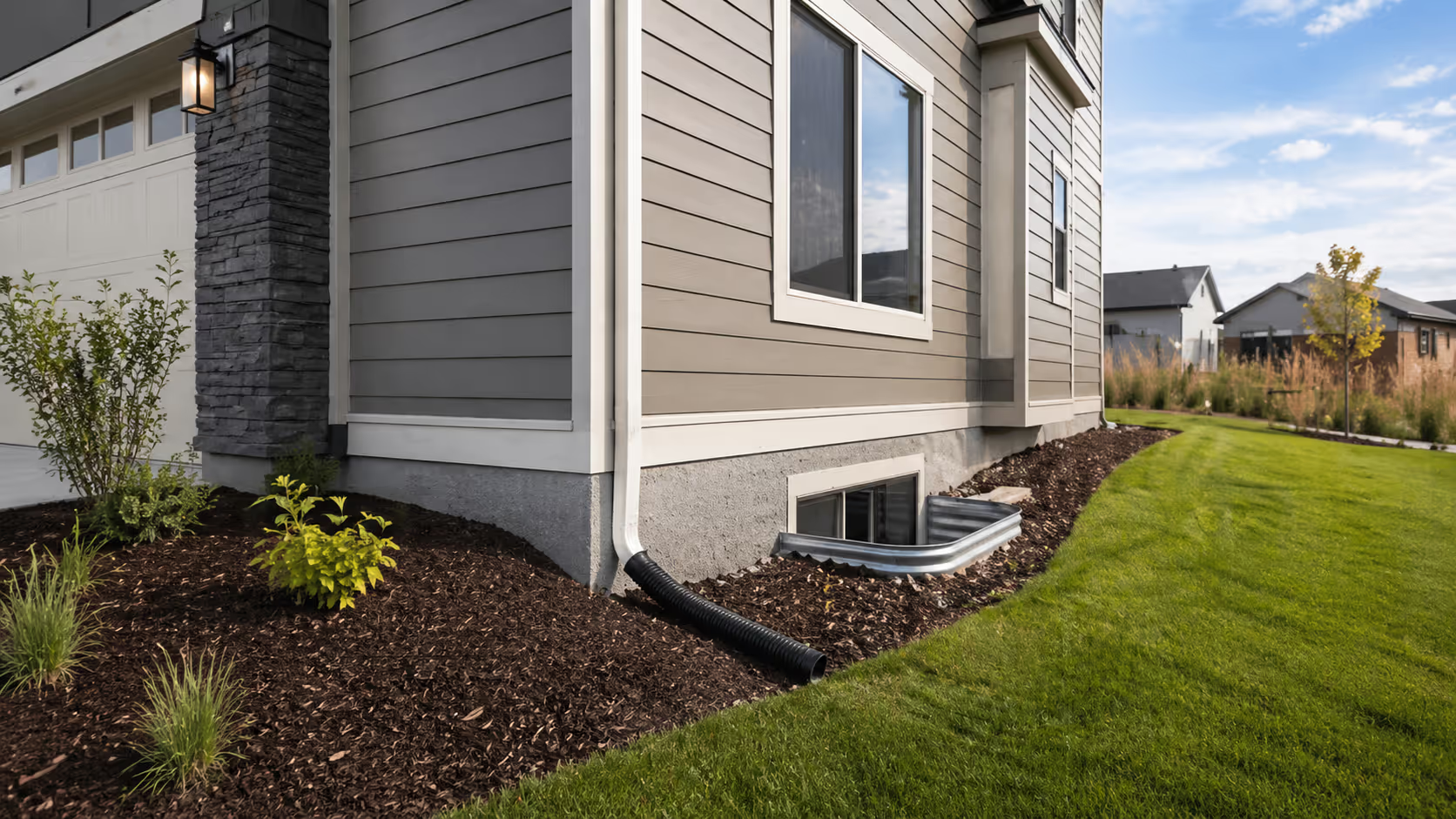
A new build can look clean, sharp, and ready from the outside. Fresh siding, new windows, clean concrete, new sod, and a tidy front entry can make the home feel finished. But one of the most important parts of the property is easy to miss: how water moves around the house.
Lot grading and drainage are not exciting, but they protect the foundation, basement, window wells, exterior walls, and landscaping. In Calgary, this matters even more. Snow melt, chinooks, heavy rain, and frozen ground can all send water toward the home if the lot is not shaped well.
A new home is not automatically safe from drainage issues. New lots settle. Soil moves. Downspouts get placed quickly. Landscaping can change the original slope. The best time to spot these problems is before you take possession, during your first month, and through your first spring melt.
Good grading has one simple job. It moves water away from the foundation. Water should not sit beside the wall. It should not collect near basement windows. It should not flow toward steps, window wells, or the garage.
When you walk around the home, the soil should slope away from the house. It does not need to be dramatic. A gentle slope is often enough. What you do not want is flat soil, low pockets, or spots where water can sit against the foundation.
New communities and new lots go through a lot of change in the first year or two. The ground has been dug, filled, compacted, shaped, and landscaped. After that, weather starts to work on it.
Common reasons new builds develop drainage problems include:
These are not rare issues. They are normal things to watch for in a new home, especially during the first year.
Downspouts are one of the easiest things to check and one of the easiest things to fix. They carry roof water down to the ground. From there, extensions should move that water away from the home.
If a downspout ends right beside the foundation, the roof is basically sending water to the worst possible place. During a hard rain or fast snow melt, that can add a lot of water beside the basement wall.
A missing or short extension is not a huge defect by itself, but it is worth correcting early. It is one of the cheapest ways to protect a new basement.
Window wells are common trouble spots. They are lower than the yard, so water can collect there if grading or downspouts are not right. Once a window well fills, water can press against the basement window and look for a way inside.
On a new build, window wells should be watched during the first spring melt and after heavy rain. If you see water sitting in the well, take photos and report it quickly.
Concrete looks permanent, but new concrete areas can still create drainage issues if they slope the wrong way. Walkways, patios, driveways, and steps should not send water back toward the house.
Stand near each hard surface and imagine water running across it. Where would it go? Toward the lawn, or toward the wall?
If the concrete is already finished, the fix can be more involved than adding soil. That is why it is worth catching these patterns early.
Fresh sod makes a new home look complete, but it can hide grading mistakes. Sometimes the sod is laid over areas that are too flat or too low. Sometimes landscaping beds are built too high against the house. Mulch, rock, and edging can also trap water if they are placed without thinking about drainage.
Landscaping should look nice, but it should never block water from moving away.
In Calgary, snow storage matters. Where you shovel or blow snow can affect spring drainage. If snow is piled against the foundation or into window wells, it may melt straight into the areas you are trying to protect.
During winter, keep large snow piles away from:
This is a simple habit, but it can reduce a lot of spring moisture risk.
Before possession, the lot may not be fully finished. That is okay. You can still check the main drainage clues.
Walk around the entire home slowly. Look at the soil line near the foundation. Look for low spots, dips, or places where water would likely sit.
Do not assume all downspouts were finished the same way. Some may have extensions. Some may not. Some may point in a poor direction.
Check window wells from outside and inside. If you see dirt, water marks, or poor slope near the well, take photos.
If grading or final landscaping is not done yet, ask for a clear timeline. Also ask how drainage will be handled until that work is complete.
After you move in, you start to see how the lot behaves in real life. If it rains, walk outside after the rain stops. If snow melts, watch where the water goes.
Photos are very helpful here. Take one wide photo to show the area, then one close photo to show the issue.
The first spring melt is a big test for a new build. Snow melts quickly, the ground may still be partly frozen, and water may not soak in right away. This is when grading issues become easier to see.
During a chinook or warm spring day, walk the property and look closely at:
If water sits near the foundation, do not ignore it. This is the kind of item that belongs on a warranty or builder follow-up list.
Drainage issues are easier to explain with clear photos and timing. Instead of saying “yard drainage is bad,” give the builder details they can act on.
“West side of home, beside basement window well, water pooling after snow melt on March 18. Downspout extension ends near the low area. Photos attached.”
“Rear downspout discharges toward patio edge and water runs back toward foundation during rain. Please review discharge direction and grading.”
These notes show location, timing, and the visible result. That makes the issue much easier to review.
During a new build inspection, the inspector may check drainage and grading from a practical point of view. They are looking for water paths and risk clues.
The goal is not to make the yard perfect. The goal is to reduce water risk before it creates basement or foundation problems.
Some drainage fixes are simple. Others need the builder or a grading contractor. Start with the basics.
If water still pools after these changes, the grading may need a more careful review.
Drainage deserves faster action when it connects to interior moisture. Watch for:
If you see these signs in a new build, document them right away and report them clearly.
Good drainage is one of the quiet parts of a new home that makes everything else easier. When water moves away from the house, the basement stays drier, window wells stay safer, and the foundation has less stress. For Calgary new builds, this is not a small detail. It is one of the smartest things to check early, before the first big melt teaches the lesson for you.

Written by the Calgary Property Inspections team, local home inspection professionals helping buyers, homeowners, and new-build owners make safer, clearer decisions about their homes.

Explore tips, updates, and practical advice on buying, maintaining, and protecting your home. Our posts help you stay informed and confident in every decision.

Plumbing issues are easier to fix before drywall. Learn what Calgary new-build buyers should check during plumbing rough-in, from drains and vents to shutoffs, bathrooms, laundry, and future leak risks.
read article
Heating, airflow, and ventilation problems often start before drywall. Learn what Calgary buyers should check during HVAC rough-in so new homes feel warmer, drier, and more comfortable.
read article
Bathroom fans do more than clear steam. Learn what Calgary new-build buyers should check before possession, during the first month, and before the 1 year warranty mark.
read article