Before drywall goes up, you can see the parts that matter most. Use this Calgary checklist to review framing, plumbing, electrical, HVAC, and moisture risk while fixes are still easy.
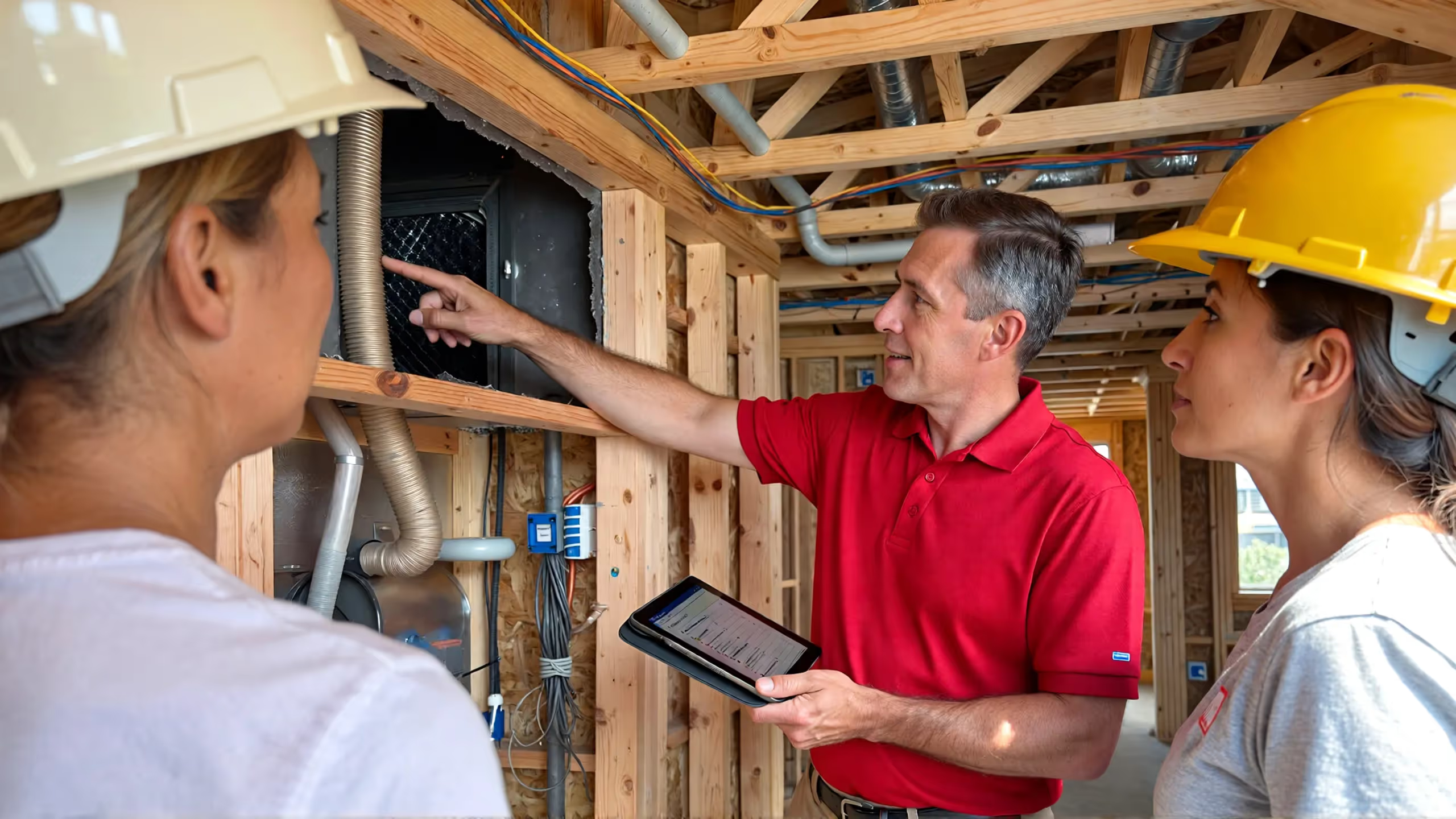
Once drywall goes up, the most important parts of a new build become hidden. You can still inspect a finished home, but you cannot see how wiring runs, where plumbing vents go, or how ductwork is routed through tight spaces. A pre drywall inspection is your chance to check the bones of the home while trades can still adjust things without tearing anything apart.
This is not about chasing perfection. It is about catching misses early, reducing comfort problems later, and building a clear record of what is inside your walls.
Pre drywall is usually after framing is complete and rough-ins are done. Rough-ins mean the main electrical wiring, plumbing lines, and HVAC ductwork are installed, but insulation and drywall are not in place yet. The exact timing depends on the builder’s schedule.
The window can be short, so it helps to plan early. If you wait until the builder says “come tomorrow,” you may lose the chance.
Ask the builder what safety gear is required. Some sites want hard hats or safety glasses.
Pick a route and stick to it. Many people start at the front door and go clockwise, then do the basement last. Move room by room. In each room, look up, look at the walls, then look down. Take wide photos first, then close-ups.
You do not need to be a carpenter to notice obvious issues. Your goal is to look for signs of sloppy work or layout problems that will bother you every day.
This is one of the easiest upgrades while walls are open. Ask about blocking for:
If you know you want a wall mount TV in a certain spot, pre drywall is the time to plan it cleanly.
Electrical is not just safety. It is daily convenience. A new build can still end up with awkward switch placement or missing outlets where you need them.
Bathrooms, kitchens, laundry areas, and garages need extra electrical protection. You will not always see final devices at pre drywall, but you can confirm the layout supports safe use.
Plumbing issues in a new build often show up as noise, slow drains, or leaks at finish stage. Pre drywall helps confirm routing and access.
You do not need to judge the whole system. Look for odd routing that looks tight, crushed, or forced around framing. Ask questions when something looks like it was squeezed in at the last minute.
Comfort problems often come from HVAC layout, not from “a bad furnace.” Pre drywall is where you can see if the home has a clear path for air to move.
A room can be warm with the door open and cold with the door closed if return air is not planned well.
Fans that dump into attics can create moisture problems fast in winter. It is one of the most common new build misses buyers want to avoid.
Some new builds include an HRV. If yours does, ask where it will be located and how filters will be accessed. Easy access leads to better maintenance later.
Calgary winters can expose weaknesses in air sealing and insulation. Even at pre drywall, you can spot common risk areas that should be handled well.
If you can see where the attic hatch will be, ask how it will be sealed and insulated. A poorly sealed hatch can lead to attic moisture issues later.
Some items will not be fully visible, but you can still learn a lot.
Garages are a common risk zone because they connect to the home.
Photos are not just for “problems.” They are a record that helps later if you want to install shelves, run cables, or locate a pipe.
Take one wide photo, then one close photo. That pattern makes the set easier to understand later.
Ask in a calm tone. You want answers, not friction. Clear questions get better results than vague worry.
If you find issues, keep your notes clean.
When the builder sees a focused list, it is easier for them to assign it to the right trade quickly.
It cannot promise perfect finishes or prevent all future settling cracks. It cannot see every part if access is blocked. It also cannot confirm performance like airflow balance under real winter conditions, since the system is not fully running yet.
What it can do is reduce risk and catch the common misses that become annoying later.
You gain a calmer possession day. You gain fewer comfort problems later. You gain better documentation if questions come up during warranty. And you gain a home that works better from day one, since the hidden parts were checked while they were still visible.
If you want the highest value stage in a new build inspection plan, pre drywall is usually it.

Written by the Calgary Property Inspections team, local home inspection professionals helping buyers, homeowners, and new-build owners make safer, clearer decisions about their homes.

Explore tips, updates, and practical advice on buying, maintaining, and protecting your home. Our posts help you stay informed and confident in every decision.

Plumbing issues are easier to fix before drywall. Learn what Calgary new-build buyers should check during plumbing rough-in, from drains and vents to shutoffs, bathrooms, laundry, and future leak risks.
read article
Heating, airflow, and ventilation problems often start before drywall. Learn what Calgary buyers should check during HVAC rough-in so new homes feel warmer, drier, and more comfortable.
read article
Bathroom fans do more than clear steam. Learn what Calgary new-build buyers should check before possession, during the first month, and before the 1 year warranty mark.
read article