Buying a condo is still buying a home. Learn what a Calgary condo inspection covers inside your unit, what is outside the scope, and what documents you should review.
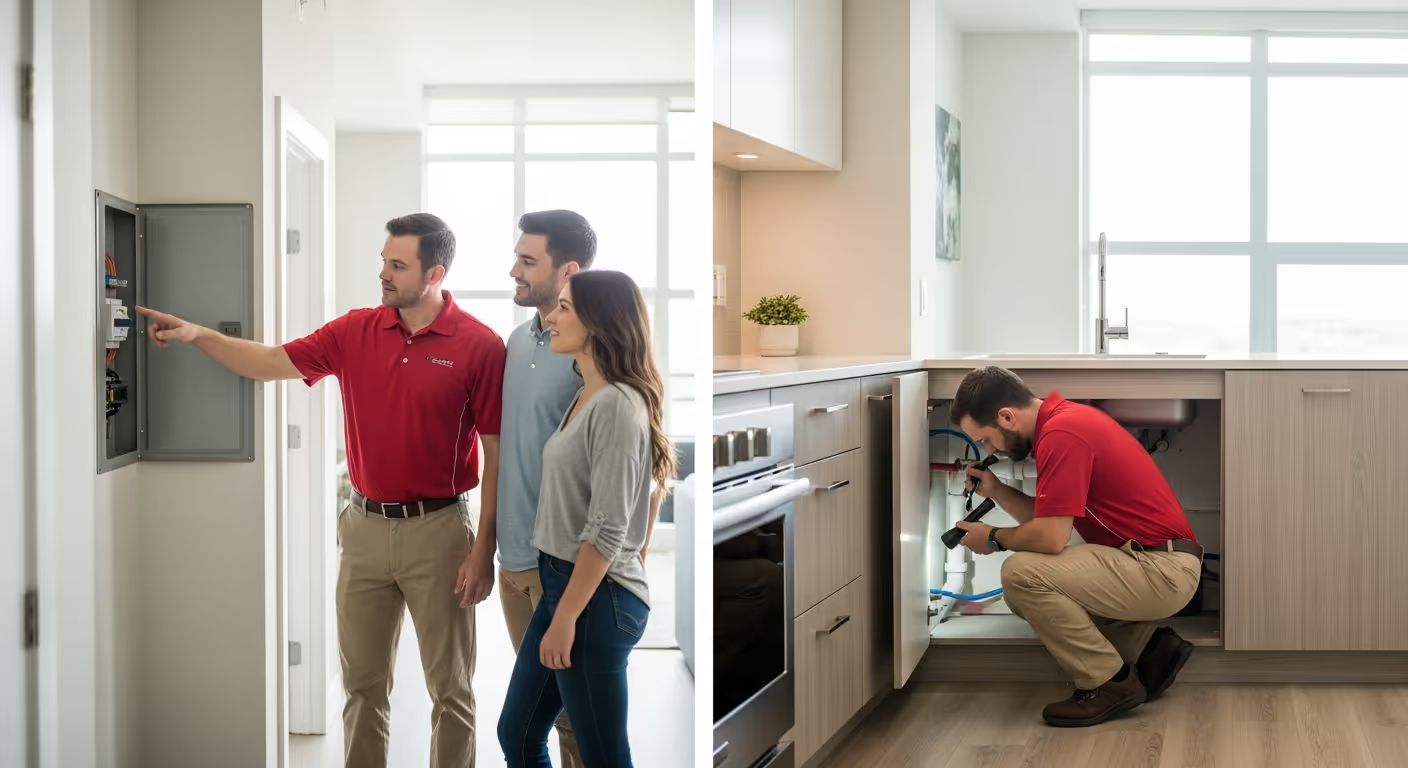
A lot of condo buyers think, “It’s a newer building,” or “The condo board handles everything.” Then they move in and find a slow drain, a weak fan, a drafty window, or an outlet that does not work. The building may be managed, but your unit still has plumbing, electrical, ventilation, windows, doors, and finishes that you will live with every day.
A condo inspection is about learning the condition of what you own and what you are responsible for. It also helps you spot red flags that push you to ask for more info before you waive conditions.
Most condo inspections focus on what is inside your unit and anything that is accessible during the appointment. Access matters a lot in condos, since some systems are behind locked rooms or managed by the building.
Kitchen leaks are a big deal in condos. A small leak can damage your unit and the unit below. That is why under-sink checks matter so much.
In condos, ventilation is not a “nice to have.” Weak bath fans can lead to moisture buildup, peeling paint, and mold-like growth on ceilings. A good inspection notes the clues early.
If the panel is in a common room instead of the unit, the inspector may not access it. That should be written clearly in the report as a limit.
Condo HVAC varies a lot. You might have a fan coil, baseboard heat, a heat pump, or a shared system. A condo inspection often includes:
Some HVAC parts may be maintained by the building, some by the owner. Your documents should clarify that, and your inspector can help you spot what is likely your responsibility based on what they can see.
Window issues can become expensive in condos, since responsibility can sit with the owner or the condo corporation. The inspection helps you catch the issue so you can ask the right questions before you commit.
This is where condo buyers get surprised. A condo inspection is not a full inspection of the whole building. Many key items are outside the unit, locked, or managed by the corporation.
That does not mean you should ignore these items. It means you should pair your unit inspection with a document review plan.
If your unit inspection tells you what is happening inside your walls, condo documents tell you what is happening in the building.
When buyers hear “special assessment,” they think it is rare. In reality, it can happen in any building that has a big repair and not enough reserve funds ready.
Every building is different, but these items show up often enough to be worth watching for.
Leaks under sinks are common, and they matter more in condos since water can travel into another unit. A slow drip that looks “minor” can still create damage over time.
Fans that run but do not move air, ducts that are disconnected, or vents that feel blocked can lead to moisture issues. In winter, those issues can look like peeling paint or ceiling staining.
Condensation can be humidity related, but drafty windows can make it worse. A condo inspection can flag draft clues, and you can then check who is responsible for window repair or replacement.
Dead outlets, missing GFCI protection in wet areas, or odd DIY changes inside a unit are all worth noting. These are often easy fixes, but you want them documented.
Loose laminate seams, soft spots near sinks, or staining at balcony doors can hint at moisture history. Noise is harder to measure during an inspection, but loose flooring and poor seals can be clues.
You will get a better inspection if access is easy and the unit is ready to test.
If a key area is blocked, the report should state that clearly. Still, you want to avoid limits when you can.
That last question is a big one. A good inspector can help you turn a finding into the right next question for your agent.
Most buyers use the report in one of three ways:
If you do negotiate, focus on safety, active moisture, and clear defects that affect daily living. A list of tiny cosmetic items rarely helps negotiations and often slows the process down.
A good condo purchase has two parts. The unit is in good condition, and the building documents look healthy. A unit inspection helps with the first part. Document review helps with the second part. When you do both, you are not guessing. You are deciding with real information, which is the whole point of a calm homebuying process in Calgary.

Written by the Calgary Property Inspections team, local home inspection professionals helping buyers, homeowners, and new-build owners make safer, clearer decisions about their homes.

Explore tips, updates, and practical advice on buying, maintaining, and protecting your home. Our posts help you stay informed and confident in every decision.

Mature trees can add beauty, shade, and value, but they can raise hidden home risks too. Learn what Calgary buyers should check around roots, roofs, drains, gutters, grading, and sewer lines.
read article
Finished basements can add comfort, space, and value, but they can also hide moisture, drainage, electrical, and ventilation issues. Learn what Calgary buyers should check before making an offer.
read article
Older Calgary homes can be full of charm, but they need a sharper inspection plan. Learn what to check, what costs to expect, and which red flags matter most before you buy.
read article