A good inspection starts before the appointment. Use these questions to compare Calgary home inspectors, avoid surprises, and get a report you can act on.
.avif)
Two inspections can feel very different. One leaves you calm with clear photos and next steps. The other leaves you confused with a long list that does not help you decide. The difference often starts before the booking. The questions you ask shape the visit, the report, and how useful it is for your offer in Calgary.
Start by naming your goal. In Calgary, most buyers need a pre-purchase inspection. Owners who plan to stay put often choose a home maintenance inspection. New builds can benefit from a new build inspection at key stages. Tell the inspector which one you need and what worries you most. A good inspector will match the plan to your situation.
Time tells you a lot. A full pre-purchase inspection usually takes a few hours, with time shifting based on size, age, and access. A very short time slot for a full house can be a red flag. Ask for a time range, and ask what can change that range (size, garage, attic access, snow, condos with limited rooms).
Many buyers learn best on site. Ask if you can join for a walkthrough at the end, or for the full visit if the schedule allows. If you attend, ask what you should bring. A simple notebook, a phone for photos, and a list of your top questions is enough.
Reports are where the value lives. Ask these report questions:
A sample report is one of the best ways to compare inspectors. You are buying the report, not just the appointment.
Ask which inspection standard the inspector uses, and how they explain limits in the report. Inspections are visual. Inspectors do not open finished walls or test every hidden part of a home. A good inspector states what was visible, what was not, and why.
In Calgary, these areas matter a lot. Ask how the roof is inspected, from ground, ladder at the eaves, drone, or safe roof walk when conditions allow. Ask what happens in winter when snow hides shingles.
For attics, ask if they enter the attic when accessible, and what they look for (insulation depth, vent paths, air leaks, signs of frost, stains on roof sheathing). If the attic hatch is blocked or unsafe, ask how that is recorded and what follow-up is suggested.
Winter changes access. Snow can block roofs. Ice can make decks unsafe. AC systems should not be run in freezing weather. Ask how the inspector documents these limits and what next steps look like. A good answer sounds like this:
Water drives many expensive problems, so this question is key. Ask how the inspector looks for moisture issues. You want more than a quick glance. Good checks often include looking under sinks, around tubs and showers, at ceilings under bathrooms, at basement corners, near window wells, and near the foundation line for stains and white mineral marks.
You can also ask if they use basic tools like a moisture meter or an infrared camera during the visit. Tools help, but the real value is knowing where to look and how to explain what it means.
Ask what the electrical review includes. You want to hear about the panel, visible wiring, outlets, GFCI protection in wet areas, and visible safety concerns.
For plumbing, ask if they run fixtures, check drain flow, look for leaks at shutoffs, and review the visible water heater setup. Ask if they check exterior faucets for function when weather allows.
Many buyers fear getting scared by a long list. Ask how the inspector explains what matters. A good inspector can tell you the difference between a normal wear item and a true risk. Ask if they provide a short summary you can use for your offer talks, and if they take time to answer questions after the report is delivered.
Many inspectors do not give firm repair prices. Trades set prices, and costs change fast based on access and scope. Ask what they do instead. A strong answer is that they describe the problem clearly, suggest the right next step (monitor, service, repair, specialist), and help you decide if you need a quote before you remove conditions.
This is where a calm inspector helps you choose smart extras, not random tests. Ask what add-ons make sense for the house you are buying. Common examples in older homes include a sewer scope, radon testing, or a deeper look at a fireplace by a specialist. The key is how they decide.
Ask what clues push them toward an add-on. Slow drains, large trees near the line, or backup history can point to a sewer scope. Musty odors and visible staining can point to a focused moisture follow-up. A good inspector will explain the clue and the reason, then let you choose.
Ask how you can help the visit go smoothly. Good prep advice can include:
If access is blocked, the inspector can still work, but your report will carry more limits. Better access means a better result.
Ask how the inspector handles condos and townhomes in Calgary. The unit still needs a strong inspection, but many building systems are shared. Ask what they inspect inside the unit, and what they suggest you read in building documents. A good inspector will tell you to review meeting minutes, reserve fund plans, budgets, and insurance summaries to understand future costs and planned projects.
Ask which stage the inspector recommends. Many buyers start with a pre-drywall inspection when the walls are open, then do a final inspection near possession, then use a 30 day and 1 year checklist for warranty items. Ask what the inspector looks for at each stage. You want to hear about vent routing, nail plates for wire protection, duct layout for comfort, and moisture control details.
Ask if the inspector carries professional liability insurance, and ask about their local experience. Calgary has patterns that show up often, like attic frost from air leaks, drainage issues tied to short downspouts, and winter limits on roof visibility. You want someone who has seen these patterns many times and can explain them in plain language.
If you are short on time, compare using these four points:
Pick two or three inspectors, send the question list, and ask for a sample report. You will notice quickly who communicates clearly and who sends a report you can use. In a Calgary purchase, that clarity is what protects your budget and your sleep.

Written by the Calgary Property Inspections team, local home inspection professionals helping buyers, homeowners, and new-build owners make safer, clearer decisions about their homes.

Explore tips, updates, and practical advice on buying, maintaining, and protecting your home. Our posts help you stay informed and confident in every decision.

Mature trees can add beauty, shade, and value, but they can raise hidden home risks too. Learn what Calgary buyers should check around roots, roofs, drains, gutters, grading, and sewer lines.
read article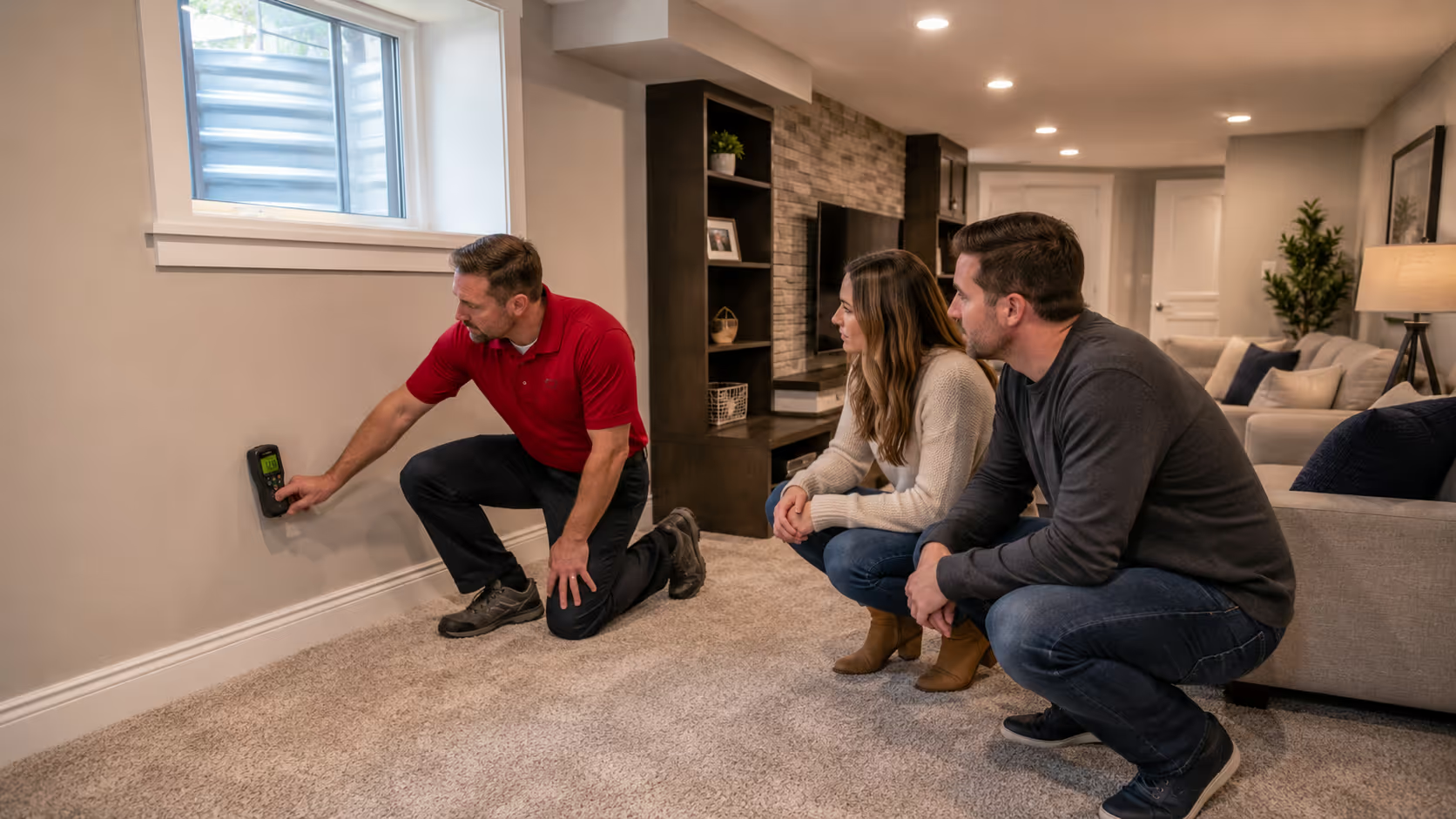
Finished basements can add comfort, space, and value, but they can also hide moisture, drainage, electrical, and ventilation issues. Learn what Calgary buyers should check before making an offer.
read article
Older Calgary homes can be full of charm, but they need a sharper inspection plan. Learn what to check, what costs to expect, and which red flags matter most before you buy.
read article