Skipping the inspection can feel tempting in a hot market. Learn what you lose, what to ask for if you must waive, and how Calgary buyers can reduce risk without guessing.

In a competitive market, buyers feel pressure to move fast. An inspection condition can feel like “one more thing” that might weaken an offer. So people ask the question that sounds simple and dangerous at the same time: should I waive the home inspection?
There is no one answer that fits every buyer, but there is a clear truth: waiving the inspection does not remove the problems. It removes your chance to see them before you commit.
People think an inspection is a formality. It is not. It is one of the few moments where you get objective feedback on the home’s visible condition.
Even if you are handy, you cannot see inside walls at a showing. You also cannot run a proper checklist when you have ten minutes in a house with other buyers behind you.
Most buyers look at the obvious things: the kitchen, the layout, the flooring. Inspectors look at risk: water, safety, and big-ticket systems.
These are not “small details.” They are the issues that create the expensive surprises.
Every city has its patterns. Calgary has a few that make it harder to judge a home without a real review.
This does not mean you cannot buy safely in winter. It means you need a plan that matches the season.
Some buyers waive to “save money.” The irony is that the largest costs of ownership often come from the exact issues an inspection would have flagged early.
Not every waived inspection ends badly. But when it does, it tends to hurt in a big way.
Some buyers decide to waive because they feel they have no choice. If that is your situation, the goal is not “no risk.” The goal is “less blind risk.”
If the seller allows it, book an inspection before you offer or during a short showing window. It is not always possible, but when it is, it gives you the information without the same condition language.
It can be a fast version, focused on big items: moisture, roof clues, electrical safety, plumbing leaks, and heating basics.
This is not a replacement, but it helps you avoid obvious misses.
If the seller cannot answer basic system age questions, that is a clue by itself.
You may not be able to inspect, but you can ask for information.
Not all sellers have records, but when they do, it reduces guessing.
If you waive, assume you will find something later. Set aside a realistic buffer for the first year. This is not pessimism. It is responsible planning.
There are times when waiving is a bad idea, even in a hot market. These are common “do not guess” situations:
If you see these, waiving is not brave. It is blind.
In many deals, buyers do not “skip inspections forever.” They just push the inspection to after possession. That is still useful for planning, but it removes the negotiation power. If you plan to inspect later, be honest about what you want the report for:
That is a good use of a home maintenance inspection after move-in, but it is not the same as a pre-purchase inspection that can affect the deal.
Some buyers think the only way to win is to waive. Sometimes you can stay competitive with other moves:
Your agent is the right person to advise on offer strategy, but it helps to remember that inspection is not the only lever you have.
These questions focus on risk. That is what you need when time is tight.
If you would lose sleep after waiving, do not waive. If you can waive only because you have done a pre offer inspection or have strong records and a budget buffer, you are making a more informed choice. The goal is not to avoid all risk. The goal is to avoid surprise risk.
A home inspection is not just a report. It is a moment of clarity before you commit. In Calgary, with winter, freeze-thaw cycles, and the cost of repairs, that clarity is worth protecting. If you can inspect, inspect. If you cannot, reduce the blind spots as much as you can, then make your decision with open eyes.

Written by the Calgary Property Inspections team, local home inspection professionals helping buyers, homeowners, and new-build owners make safer, clearer decisions about their homes.

Explore tips, updates, and practical advice on buying, maintaining, and protecting your home. Our posts help you stay informed and confident in every decision.

Mature trees can add beauty, shade, and value, but they can raise hidden home risks too. Learn what Calgary buyers should check around roots, roofs, drains, gutters, grading, and sewer lines.
read article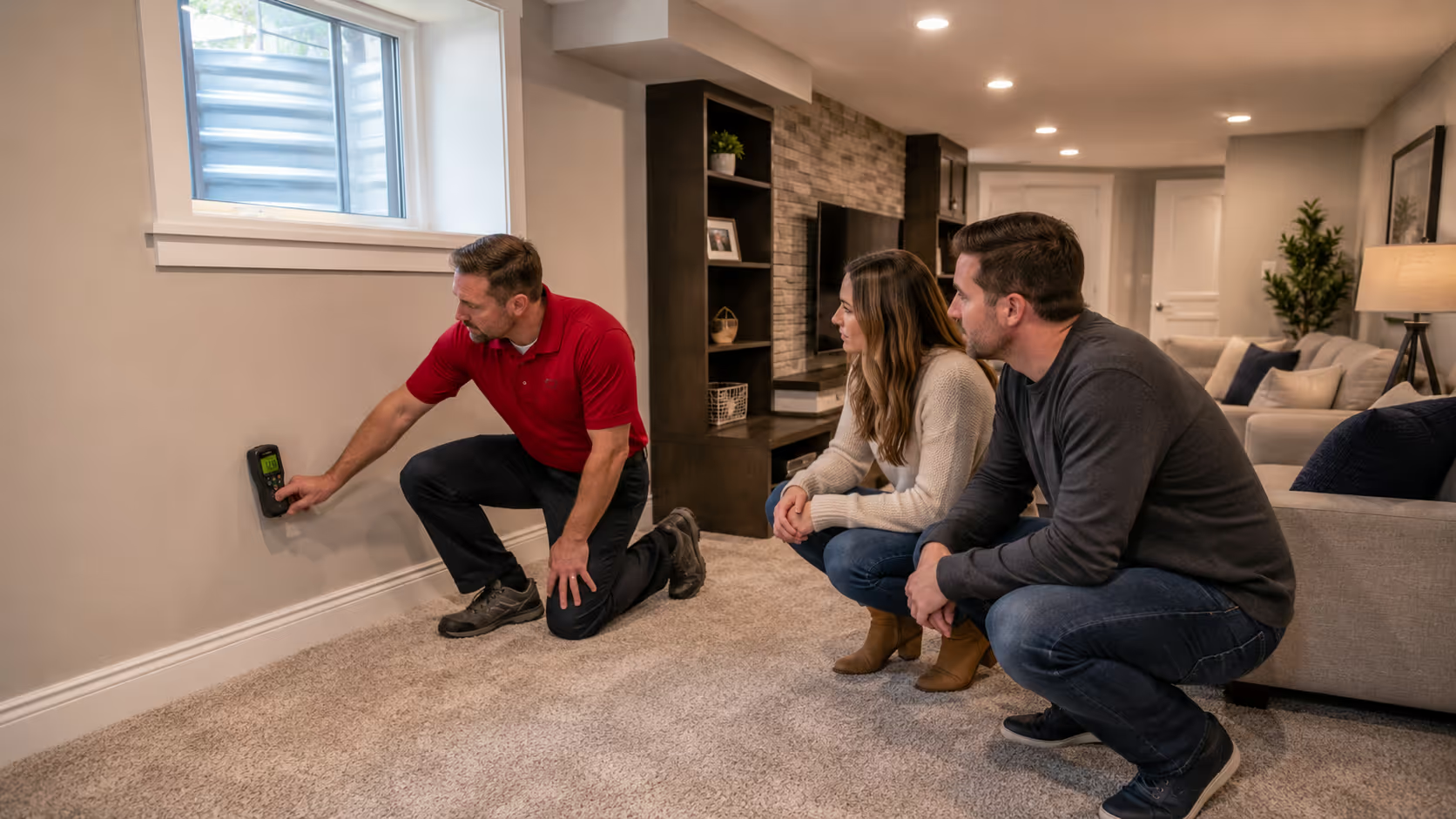
Finished basements can add comfort, space, and value, but they can also hide moisture, drainage, electrical, and ventilation issues. Learn what Calgary buyers should check before making an offer.
read article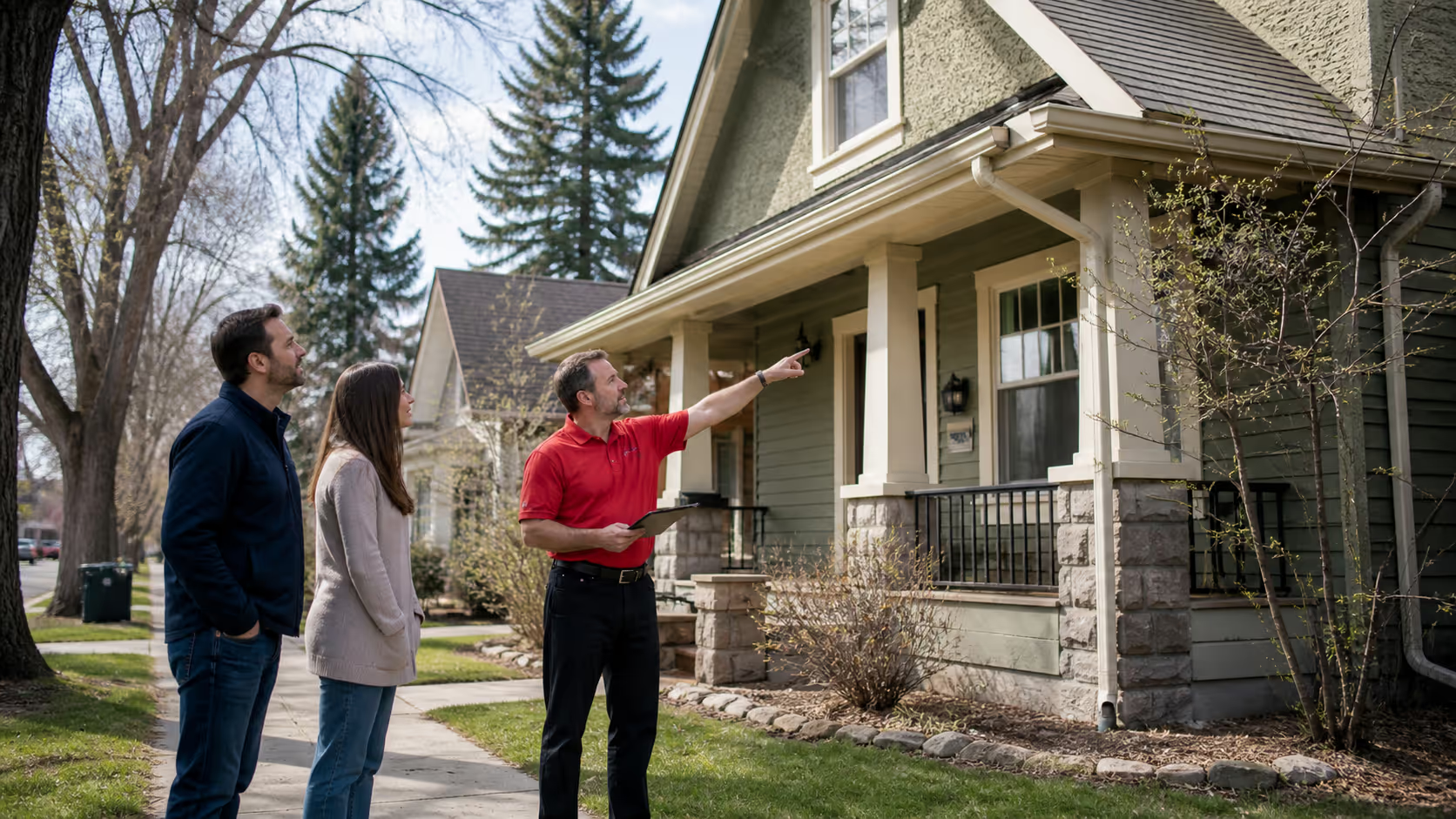
Older Calgary homes can be full of charm, but they need a sharper inspection plan. Learn what to check, what costs to expect, and which red flags matter most before you buy.
read article