Skipping an inspection may look like a shortcut, but hidden repairs add up fast. See real risks, common costs, and safer ways to keep a strong offer in Calgary.

In a hot market, some buyers think skipping the home inspection will help them win. It feels simple: fewer conditions, faster deal. On closing day, it may look like you saved a few hundred dollars. In the months that follow, surprise repairs can erase that “saving” many times over. Roof leaks, aging furnaces, foundation cracks, and moisture problems are common in Calgary. Without an inspection, you learn about them the hard way—after you move in.
Skipping an inspection saves the fee up front. Hidden issues can cost thousands later. One missed roof leak can turn into soaked insulation, stained ceilings, and moldy drywall. A tired furnace may limp along for a few weeks, then die in the first cold snap. Old electrical work can trigger insurance headaches. A good inspection flips the math in your favor. It turns unknowns into clear facts you can use to plan, negotiate, or walk away.
Each of these shows up in Calgary reports all the time. Without an inspection, you carry the full cost.
Sellers do not always know what is behind the walls, and some problems start small and grow fast. Fresh paint and new flooring look great but can hide past leaks or uneven subfloors. An inspection is not about trust or doubt. It is about a trained eye, a ladder, a flashlight, and a methodical process that checks the big systems that matter.
Some buyers worry that adding an inspection will kill their offer. You have smarter options than skipping it:
These approaches protect you without scaring off the seller.
A clear report with photos gives you leverage. You can request fixes, ask for a credit, or adjust the price. Even if the seller will not budge, you can decide with full knowledge. You are no longer hoping the roof is fine—you have evidence. That keeps your budget safe and your stress lower.
Our city has freeze–thaw cycles, hail, dry winters, and shifting soil. Inspectors here see the same patterns again and again:
Skipping an inspection in Calgary is like driving in winter on bald tires. You might be fine, until you are not.
Some insurers ask about electrical panels, aluminum wiring, or plumbing types. Lenders may flag major roof or structure issues. A report helps you answer questions fast. Without it, you may face delays, extra inspections on short notice, or higher costs after you close.
In shared buildings, you will not control the roof or the boiler, but your unit still has risks. Window seals can fail. Bathrooms can leak into neighbors’ ceilings. Dryer vents clog, and GFCIs are missing more often than you think. A condo inspection also prompts you to read building documents for pending work and reserve funds. Skipping this step can leave you paying for a special assessment you did not see coming.
Many buyers assume a new home is flawless. Construction moves fast. Crews change. Small misses add up: missing insulation, poor flashing, miswired outlets, or loose railings. A pre-drywall check and a final review before possession catch most of this. If you skip the inspection, warranty claims get harder later, since you may lack proof that an issue existed from day one.
A useful report is not a pile of jargon. It is a simple summary with photos, priority items, and clear next steps. You learn which problems are urgent, which are normal for the home’s age, and what to plan for next year. That clarity lets you set a budget and sleep better.
Even if you plan to renovate, an inspection maps risks behind your plan. You might budget for a kitchen, then learn the panel is undersized, the attic needs air sealing, and the main drain is slow. With that insight, you can phase work in the right order. Fix the bones first, then the finishes.
If you want to stay competitive without skipping protection, try this mix:
If your offer is firm, you can still book a post-purchase review right after closing. It will not change the price, but it will help you find urgent safety items on day one and plan repairs by priority. Keep receipts and photos of fixes. That record helps you later if you sell.
Look for clear communication and solid training. Ask how long reports take, whether photos are included, and if you can attend. Ask about experience with Calgary weather issues like hail, attic frost, and basement moisture. A friendly, plain-language style is a good sign. You want answers you can act on, not a mystery novel.
Homes can look perfect and still hide problems that drain savings. A few hours with an inspector turns unknowns into a plan. You protect your budget, gain leverage, and avoid buyer’s remorse. Skipping that step may feel bold in the moment. Months later, when the first big bill arrives, it feels expensive. In Calgary’s climate, knowledge is not a luxury—it is the difference between a smooth first year and a rough one.

Written by the Calgary Property Inspections team, local home inspection professionals helping buyers, homeowners, and new-build owners make safer, clearer decisions about their homes.

Explore tips, updates, and practical advice on buying, maintaining, and protecting your home. Our posts help you stay informed and confident in every decision.

Mature trees can add beauty, shade, and value, but they can raise hidden home risks too. Learn what Calgary buyers should check around roots, roofs, drains, gutters, grading, and sewer lines.
read article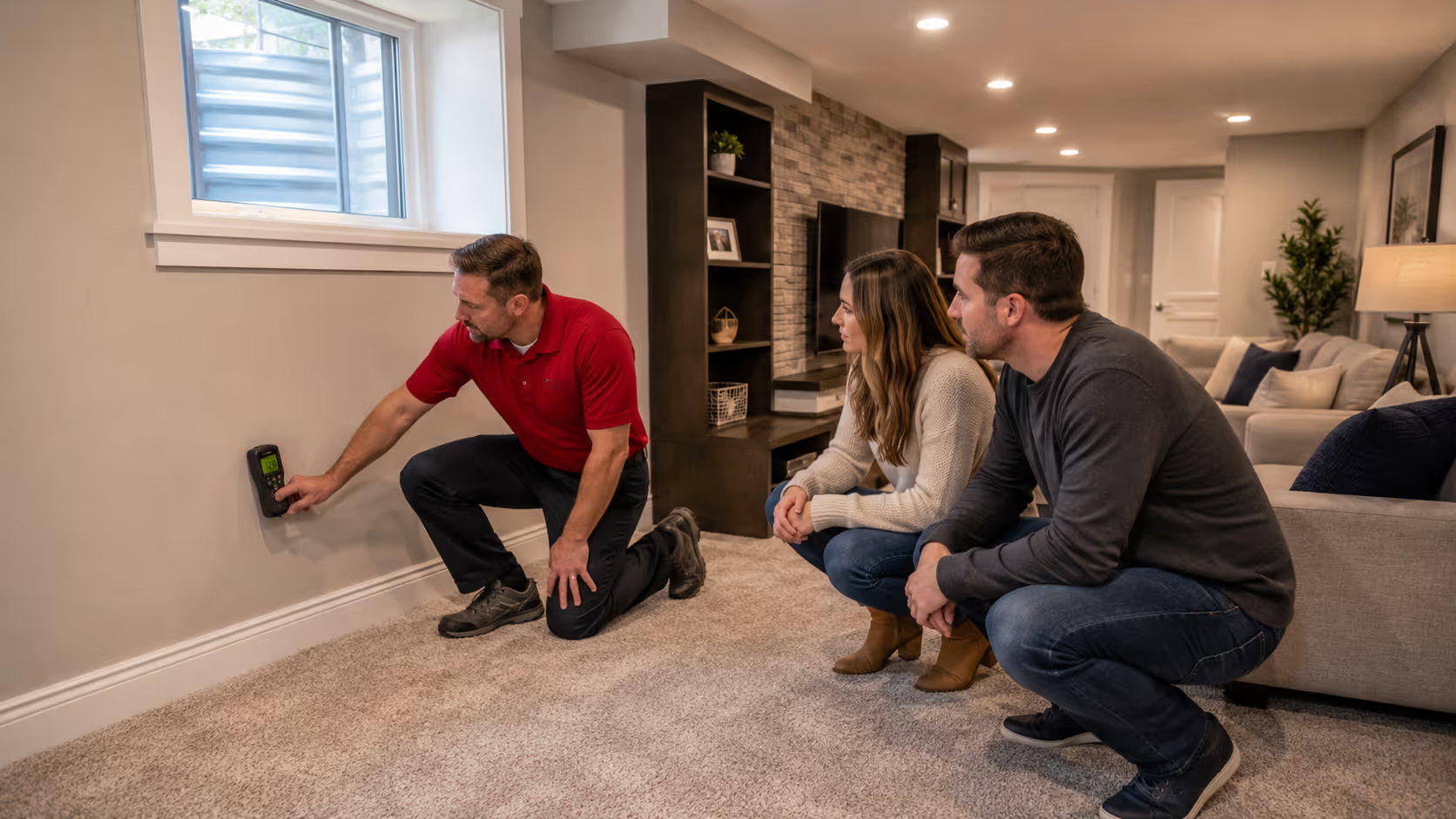
Finished basements can add comfort, space, and value, but they can also hide moisture, drainage, electrical, and ventilation issues. Learn what Calgary buyers should check before making an offer.
read article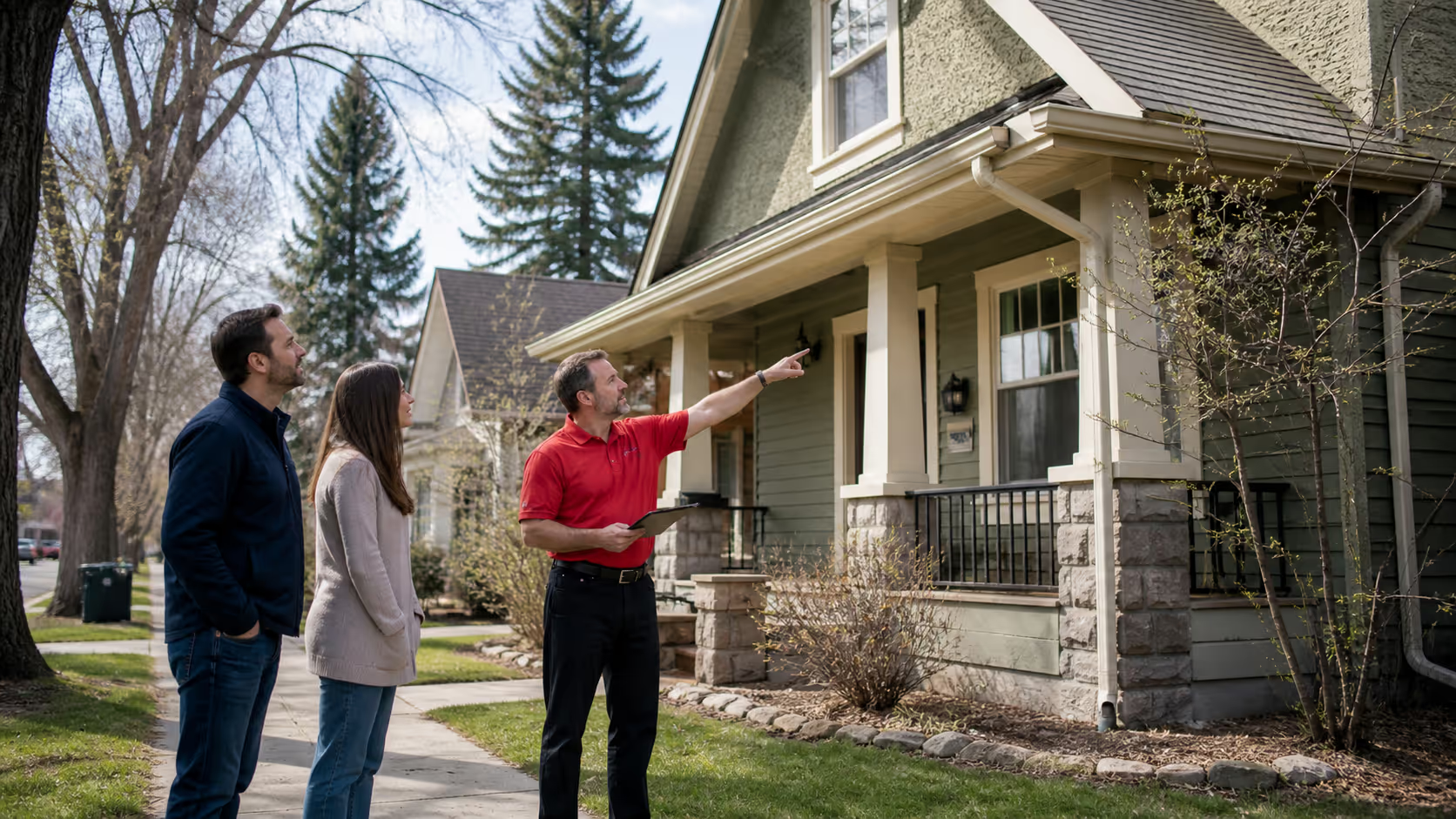
Older Calgary homes can be full of charm, but they need a sharper inspection plan. Learn what to check, what costs to expect, and which red flags matter most before you buy.
read article