Finished basements can add comfort, space, and value, but they can also hide moisture, drainage, electrical, and ventilation issues. Learn what Calgary buyers should check before making an offer.
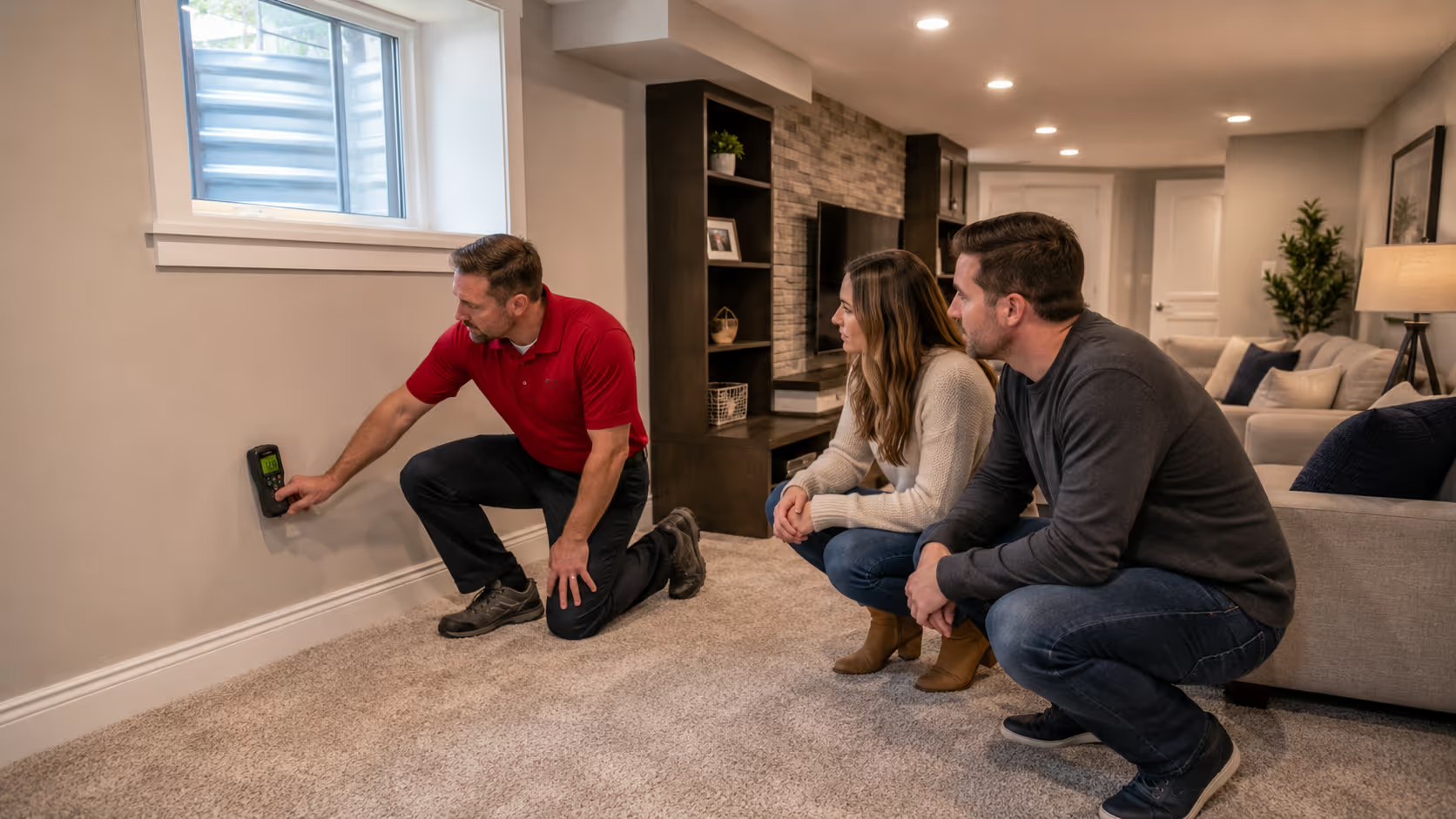
When buying a Calgary home with a finished basement, inspect for moisture first. Finished walls, flooring, trim, and storage can hide foundation cracks, water stains, poor drainage, plumbing leaks, electrical changes, and weak ventilation. The basement may look clean during a showing, but the real question is whether it stays dry through spring melt, heavy rain, and winter temperature swings.
If the basement is finished, a pre-purchase inspection becomes even more valuable. The inspector cannot see behind finished walls, but they can look for visible clues, test accessible systems, and help you understand what risk may be hidden by the finish.
A finished basement can make a home feel much larger. It can give you a family room, guest bedroom, office, gym, play area, or rental potential if the setup is legal and safe. That extra space is a major selling point, especially in Calgary homes where basements are often used daily.
The risk is that finished basements cover the parts buyers most need to understand. Bare concrete walls can show moisture marks clearly. Finished drywall and flooring can hide those marks until the damage becomes bigger. This does not mean finished basements are bad. It means buyers need to slow down and inspect them carefully.
Your nose can be one of the best early tools in a basement. A musty smell does not prove there is an active leak, but it should make you pay attention.
If the basement smells damp, ask more questions and make sure the inspection focuses on moisture clues. The related guide on basement moisture in Calgary homes is a good supporting article for this topic.
Moisture often shows up low first. During a showing, many buyers look at the furniture, flooring, and room size. Instead, look at baseboards, wall corners, and the lower 12 inches of finished walls.
These signs may be old. They may also be active. The point is not to panic. The point is to ask why they are there.
Basement windows are common water entry points. In Calgary, spring melt and heavy rain can push water toward window wells, especially if grading, downspouts, or well drainage are poor.
If window wells look risky, link that finding to the bigger drainage picture. The guide on gutter and downspout maintenance for Calgary homes explains why water direction outside matters so much.
Flooring matters in a basement. Carpet can feel warm and comfortable, but it can also hold moisture and odor. Laminate can swell at edges. Vinyl can hide dampness below if water gets under it.
If the basement has brand new flooring, ask when it was installed and why. New flooring can be a normal upgrade, but it can also hide a past moisture issue if the timing feels suspicious.
This is a simple question many buyers forget to ask. You may not get every detail, but the answer can help guide the inspection.
Past water is not always a deal breaker. What matters is whether the cause was found and fixed. If no one can explain what happened, the risk is harder to price.
In many finished basements, the mechanical room is one of the few places where you can still see concrete, plumbing, drains, and utility systems. Spend time there.
The mechanical room often gives the most honest view of the basement. If the finished areas look perfect but the mechanical room shows repeated water clues, take that seriously.
A sump pump can be a good sign if it is installed correctly and maintained. But it does not solve every basement moisture problem.
If the pump discharges too close to the foundation, water can cycle back toward the home. If there is no backup and the area is moisture prone, power outages can become a concern.
Finished basements often include added outlets, recessed lights, media walls, bedrooms, wet bars, or office spaces. Some work may be professional. Some may be DIY.
If the basement includes a bedroom, office, or entertainment space, electrical safety matters even more. Ask your inspector if anything suggests a licensed electrician should review the work.
A basement bedroom is not just a room with a bed. It needs safe exit, proper window size and access, smoke and CO alarm coverage, heat, ventilation, and electrical safety.
For general safety planning, the guide on smoke and CO alarm checklist for Calgary homes is a useful internal link once that post is live.
Basements naturally need good airflow. Without it, rooms can feel stale, damp, or cold. Finished basements with closed doors, thick carpet, and limited air movement can trap moisture and odors.
If there is a basement bathroom, fan performance matters. Poor bathroom ventilation can add moisture to a space that already has less natural drying potential.
A finished basement can be done well, or it can be done quickly to make the home sell better. You want to know which one you are seeing.
Rushed finishing does not always mean hidden damage, but it can mean the work was not planned well. If plumbing, electrical, or exterior walls are hidden with poor access, future repairs may cost more.
A home inspector can identify visible clues and recommend next steps. Some basement concerns need a specialist if the risk is large enough.
If the home is older or has mature trees, a sewer scope may also be worth discussing. Read sewer scope inspections in older Calgary homes for more context.
No. A well-built, dry, properly ventilated finished basement can add excellent living space. The risk is that finishes can hide foundation and moisture clues, so the inspection needs to be more careful.
No. A standard inspection is visual and non-invasive. The inspector looks for visible signs that may point to hidden issues, such as stains, smells, swelling, moisture readings, and exterior drainage problems.
Not always. It depends on whether the moisture is active, what caused it, how it was repaired, and what it may cost to prevent it from returning.
Focus on active moisture, safety issues, electrical concerns, drainage problems, and large repair risks. The guide on what to do after a home inspection before you remove conditions explains how to sort those findings.
A finished basement can be a huge advantage, but only if it is dry, safe, and built with care. Before you remove conditions, book a pre-purchase inspection and make the basement a major focus. If you want help deciding whether a finished basement needs extra review, start with a free consultation.

Written by the Calgary Property Inspections team, local home inspection professionals helping buyers, homeowners, and new-build owners make safer, clearer decisions about their homes.

Explore tips, updates, and practical advice on buying, maintaining, and protecting your home. Our posts help you stay informed and confident in every decision.

Mature trees can add beauty, shade, and value, but they can raise hidden home risks too. Learn what Calgary buyers should check around roots, roofs, drains, gutters, grading, and sewer lines.
read article
Older Calgary homes can be full of charm, but they need a sharper inspection plan. Learn what to check, what costs to expect, and which red flags matter most before you buy.
read article
The inspection is done, now what? Learn how Calgary buyers can sort the findings, choose what matters, negotiate smartly, and decide whether to move forward with confidence.
read article