Older Calgary homes can be full of charm, but they need a sharper inspection plan. Learn what to check, what costs to expect, and which red flags matter most before you buy.
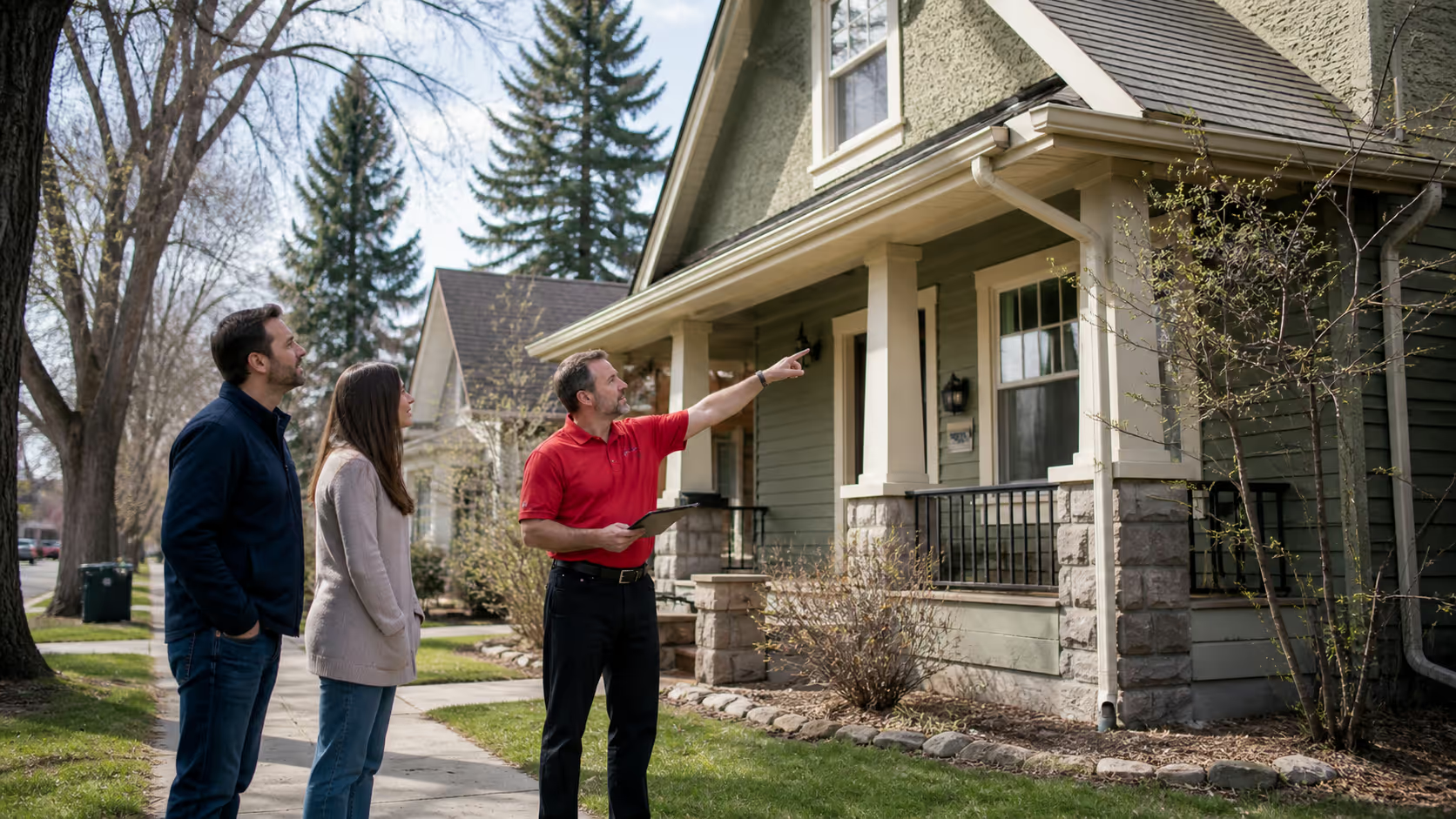
When buying an older Calgary home, the inspection should focus on water control, roof condition, attic ventilation, foundation clues, electrical safety, plumbing age, heating performance, and sewer line risk. Cosmetic updates can make an older home look move-in ready, but the real story is usually in the basement, attic, mechanical room, exterior drainage, and hidden maintenance history.
If you are serious about buying an older home, book a pre-purchase inspection before removing conditions. It gives you a clearer view of risk, repair priorities, and the first-year costs that may come after possession.
Older homes often have character that newer homes cannot copy. Mature trees, larger lots, established neighborhoods, solid layouts, and unique finishes can all make the home feel special. But age also brings layers. A home may have original systems, partial updates, old repairs, newer cosmetic work, and hidden choices made by past owners.
This does not mean older homes are bad. Many are excellent purchases. It just means buyers need to look past fresh paint and staged furniture. The inspection should answer one clear question: what are you really taking on after you get the keys?
Water is one of the biggest concerns in older Calgary homes. Before you think about the kitchen, start with the outside. Look at how water moves around the home.
If the downspouts are short or the soil slopes toward the foundation, water can collect near the basement walls. Over time, that can lead to damp corners, musty smells, or staining. For more detail on this issue, read the related guide on gutter and downspout maintenance for Calgary homes.
The basement is one of the most honest parts of an older home. Even if it has been finished, look closely. Water clues often show up near lower walls, corners, windows, and mechanical rooms.
Some signs may be old and inactive. Others may point to a current drainage or foundation issue. The inspection helps separate history from active risk. You can also review basement moisture in Calgary homes to understand the common causes and fixes.
An older roof does not automatically mean a bad roof. A newer roof does not automatically mean a good one. What matters is condition, installation quality, flashing, ventilation, and how water leaves the roof.
In winter, snow may block a full roof view. A good report should state that clearly and use other clues, like attic staining, ceiling marks, and visible roof edges. If the home has a history of roof edge ice, the article on ice dams in Calgary is a useful follow-up.
Older homes often lose heat through attic air leaks, thin insulation, or blocked ventilation paths. These issues can show up as cold rooms, high heating bills, attic frost, and ice dam patterns.
Attic problems can often be improved, but they should be understood before you buy. If the report mentions insulation or ventilation issues, compare it with the guide on attic insulation and ventilation that work in Calgary.
Older homes often have electrical systems that changed over time. Some updates may be clean and professional. Others may be partial, outdated, or unclear.
Electrical concerns do not always mean you should walk away. But they do mean you may need a licensed electrician to review the system and price any needed repairs before you remove conditions.
Plumbing in an older home can include several materials and repair eras. You might see copper, PEX, older galvanized sections, cast iron drains, ABS repairs, or mixed materials. The inspection should look at visible plumbing, drain flow, leaks, and shutoff access.
Small leaks can cause big damage over time, especially under cabinets and around tubs. For ongoing ownership tips, the guide on how to spot early water damage in your Calgary home is a useful internal link for buyers who become owners.
In older Calgary homes, the sewer line deserves serious thought. The main drain line may be original, partly replaced, or affected by tree roots. A normal home inspection does not see inside the buried sewer line. A sewer scope uses a camera to check the pipe.
For a deeper guide, link readers to sewer scope inspections in older Calgary homes. This is one of the best supporting articles for buyers looking at older properties.
An older furnace is not always a deal breaker. But the inspection should review age, visible condition, filter setup, venting, service history, and basic operation. In Calgary, heating is not a small detail. The first winter after buying will test the system quickly.
Buyers should also note comfort clues during showings. Portable heaters, cold rooms, blocked vents, or drafty windows can all point to issues worth checking. After possession, the guide on furnace maintenance for Calgary winters can help with upkeep.
Fresh paint, new flooring, and updated cabinets can make an older home feel safer than it is. Updates are great when done properly. The concern is when cosmetic work hides moisture, wiring, plumbing, or ventilation issues.
This is where a strong inspection report matters. If you need help understanding the report after the inspection, link to how to read a home inspection report without getting overwhelmed.
No. Older Calgary homes can be excellent purchases. The key is knowing what condition the home is in, what repairs may be coming, and whether the risk fits your budget.
Water is often the biggest risk. Poor drainage, basement moisture, old roof details, weak ventilation, and plumbing leaks can all create expensive problems if ignored.
Not always, but it is smart for many older homes, especially when there are mature trees, slow drains, or any history of backups.
Yes. Focus on safety, active moisture, and larger repair risks. A clear report can support a repair request, credit, or price adjustment. For more help, read what to do after a home inspection before you remove conditions.
If you are interested in an older Calgary home, do not rely on looks alone. Book a pre-purchase inspection, ask about sewer scope risk, and use the report to understand what the home may need in the first year. If you want to talk through a property before booking, you can start with a free consultation.

Written by the Calgary Property Inspections team, local home inspection professionals helping buyers, homeowners, and new-build owners make safer, clearer decisions about their homes.

Explore tips, updates, and practical advice on buying, maintaining, and protecting your home. Our posts help you stay informed and confident in every decision.

Mature trees can add beauty, shade, and value, but they can raise hidden home risks too. Learn what Calgary buyers should check around roots, roofs, drains, gutters, grading, and sewer lines.
read article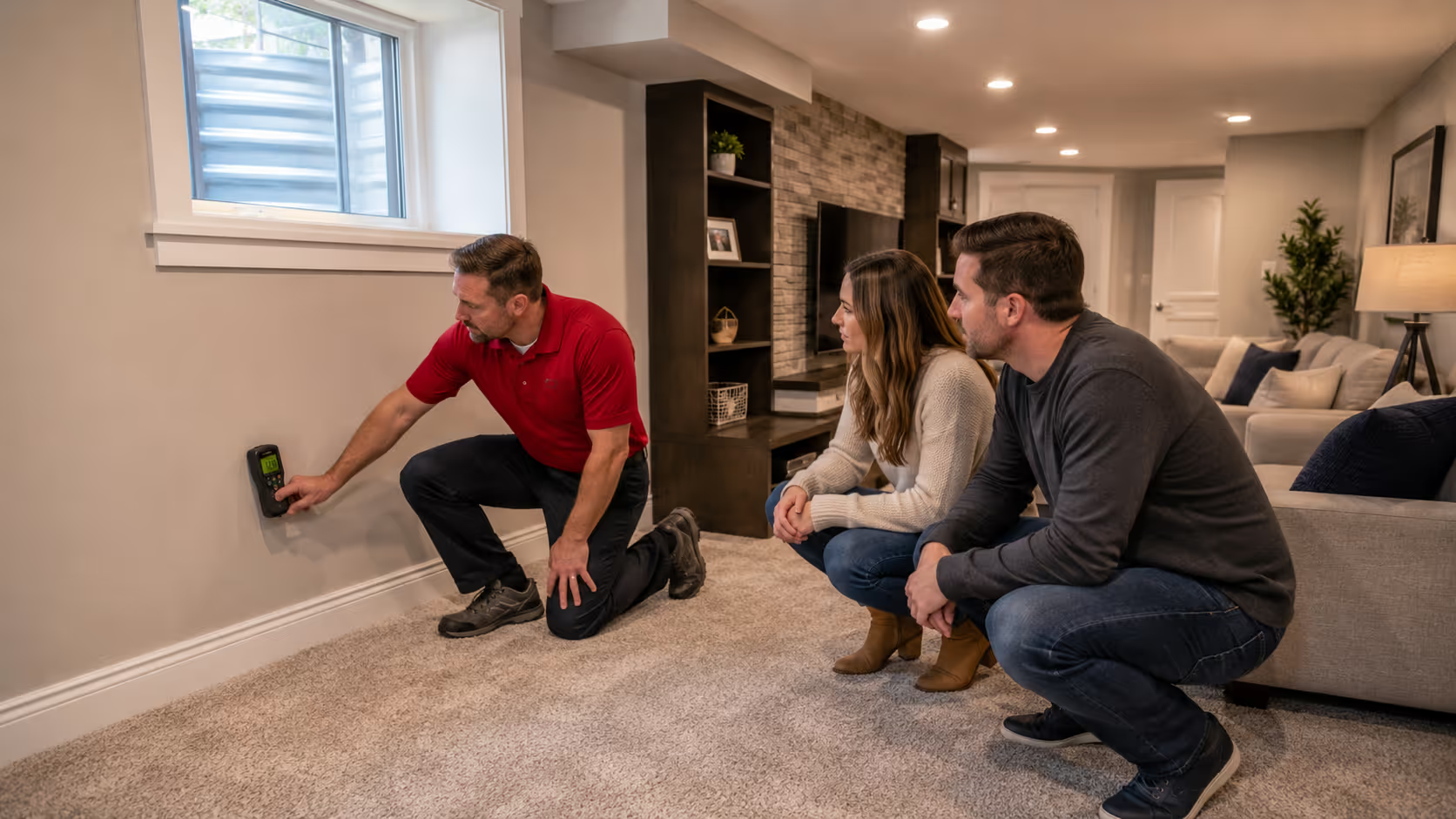
Finished basements can add comfort, space, and value, but they can also hide moisture, drainage, electrical, and ventilation issues. Learn what Calgary buyers should check before making an offer.
read article
The inspection is done, now what? Learn how Calgary buyers can sort the findings, choose what matters, negotiate smartly, and decide whether to move forward with confidence.
read article