Two homes can look similar until the inspection reports arrive. Learn how Calgary buyers can compare real risk, comfort, and future costs without getting lost in small details.
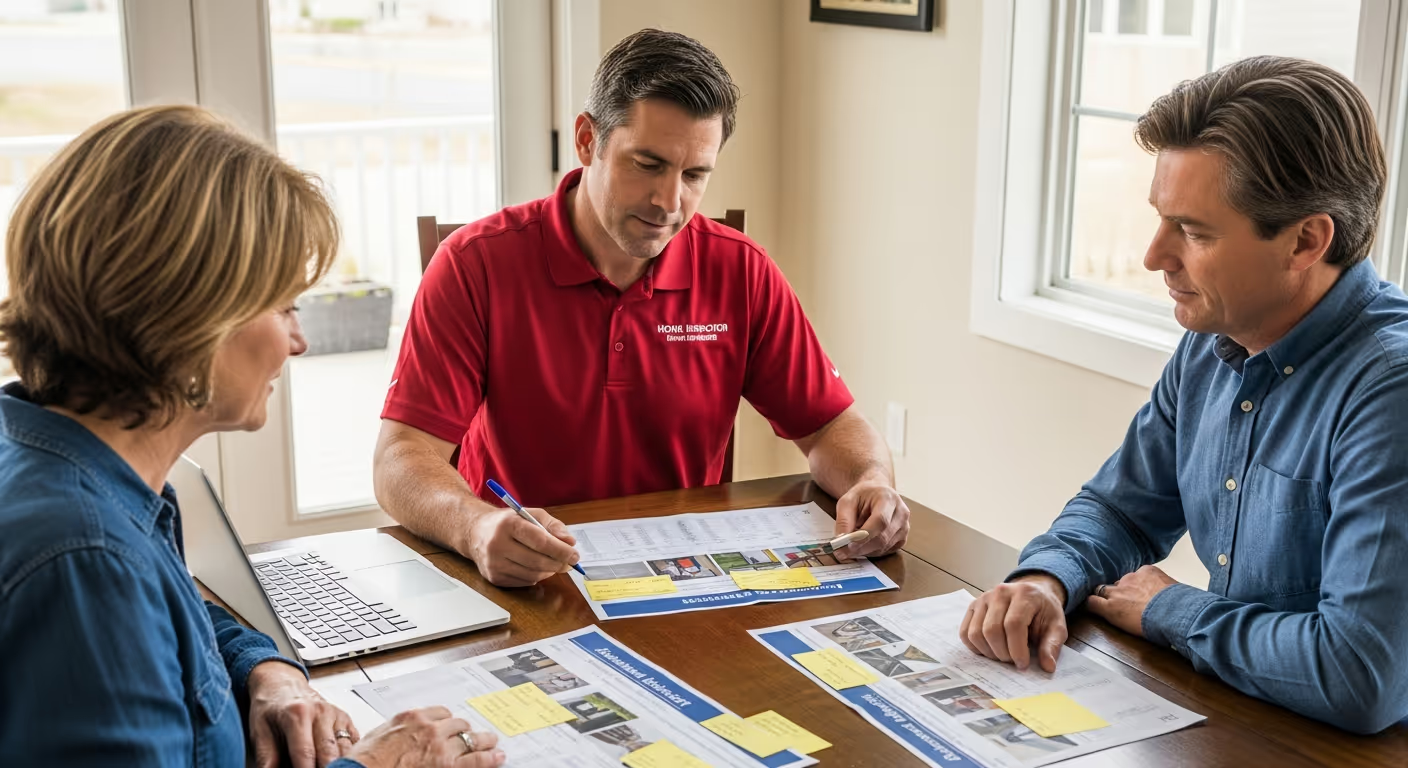
Before the reports come in, comparing two homes feels simple. One has the nicer kitchen. One has the bigger yard. One is closer to work. Then the inspection reports arrive and everything gets messy. Suddenly one house has attic ventilation notes, the other has plumbing concerns, both have some window issues, and you are left asking a much harder question.
Which home is actually the better buy?
This is where many buyers get stuck. They start counting defects instead of weighing risk. One report may have more line items, yet the other house may still carry bigger future costs. A smart comparison is not about which report is shorter. It is about which home fits your budget, your stress level, and your plan for the next few years.
This is the first mistake buyers make. They see one report with 28 notes and another with 16 notes and assume the shorter report means the better house. That is not how inspections work. Some inspectors write more detail. Some homes have lots of small maintenance notes and no major issues. Other homes have fewer notes but one or two expensive problems.
The right question is not “Which report is longer?” The right question is “Which issues matter more?”
If you want to compare two homes in a useful way, sort every key finding into four simple groups.
These are problems that affect personal safety or create immediate concern.
These deserve extra weight because water damage grows quietly and gets expensive fast.
These are the systems that can change your budget in a big way.
These matter, though they usually do not decide the deal on their own.
Once both homes are sorted into these buckets, the decision becomes much clearer.
If Home A has ten paint and trim notes and Home B has one basement moisture note, Home B may be the riskier home even though the report feels “shorter.” Buyers often give too much weight to visible cosmetic flaws because they are easy to understand. Water problems deserve more attention because they often hide behind finished surfaces and continue to spread.
In Calgary, water risk often shows up as:
If one home has stronger water-related concerns, that should move up your priority list fast.
Some homes are fine to buy if you know what year one will look like. The question is whether you are ready for that version of ownership.
Ask yourself:
A home with an older furnace and some draft issues may still be a better choice than a home with active moisture signs, even if both need money.
Not every expensive item is urgent, and not every urgent item is huge in cost. This is where buyers often get mixed up.
Home A has an older furnace that may need replacement in a few years. That is expensive, but not always urgent if it is working well now and has been serviced.
Home B has active leaking under one sink and weak bathroom ventilation with moisture staining. That may cost less up front, but it is urgent because water damage can grow quickly.
When comparing homes, score the issue on both cost and urgency. That gives you a more honest picture.
Buyers often ignore comfort issues because they do not sound dramatic in a report. Then winter arrives and daily life becomes annoying. A room over the garage stays cold. The upstairs gets too warm. A bathroom mirror stays fogged long after showers. These are not “small” if you live with them every day.
When comparing two homes, ask:
Comfort issues are often fixable. Still, they should be part of the decision, not an afterthought.
Buyers often panic when a system is older. Age matters, but condition matters more. A well-maintained older furnace can be less risky than a newer home with clear moisture and ventilation issues. A roof near the end of its life is a planning issue. A hidden water entry path is a surprise issue.
Use a simple approach:
That helps you compare more honestly.
This is one of the smartest things a buyer can do, and many do not think to ask. If the same inspector saw both homes, ask them directly:
You are not asking the inspector to choose for you. You are asking them to help rank risk more clearly.
Sometimes the inspection explains why a layout may be harder to live with than you first thought. A room over the garage that already feels cold may need more work. A finished basement with weak ventilation may be less comfortable than it looked on a sunny showing day. A beautiful bathroom with poor fan performance may become a moisture headache.
If the inspection supports a layout weakness, take that seriously. It is not just about looks anymore. It is about daily function.
When two reports start to blur together, build one simple comparison sheet. Use these headings:
Then give each home a short note under each heading. Keep it simple. You are not writing a novel. You are trying to see the pattern clearly.
Home A is older and the report mentions an aging furnace, old windows, and some weatherstripping needs. Home B is newer and looks cleaner, but the report shows weak bathroom ventilation, attic moisture clues, downspouts too close to the foundation, and one cold bonus room.
Many buyers choose Home B because it feels newer and cleaner. In real life, Home A may be easier to own if the older systems are stable and the issues are predictable. Home B may create more stress because moisture and airflow problems are harder to live with and harder to diagnose.
This is why comparing “newer” versus “older” is not enough. You have to compare the kind of risk, not just the age of the house.
The better home on paper is not always the better deal. If one seller is willing to credit you for important repairs and the other is not, that changes the math.
Ask yourself:
A home with a few clear, fixable issues can become an excellent buy if the seller adjusts the price or offers a fair credit.
This part matters more than people admit. Some buyers are comfortable with a short repair list and a few contractor visits. Others want a smoother first year. Neither approach is wrong. It just changes which home fits you better.
Be honest with yourself:
When you answer those questions honestly, one home often becomes the clear fit.
If you still feel stuck, these questions usually help:
That last question is powerful. It often cuts through the emotion fast.
Two homes can look close on the surface and feel completely different once you compare the inspection results the right way. The better buy is not always the prettier house, the newer house, or the one with the shorter report. The better buy is the one with the risk you understand, the costs you can plan for, and the first year you can live with comfortably. That is how smart buyers make the final call in Calgary.

Written by the Calgary Property Inspections team, local home inspection professionals helping buyers, homeowners, and new-build owners make safer, clearer decisions about their homes.

Explore tips, updates, and practical advice on buying, maintaining, and protecting your home. Our posts help you stay informed and confident in every decision.

Mature trees can add beauty, shade, and value, but they can raise hidden home risks too. Learn what Calgary buyers should check around roots, roofs, drains, gutters, grading, and sewer lines.
read article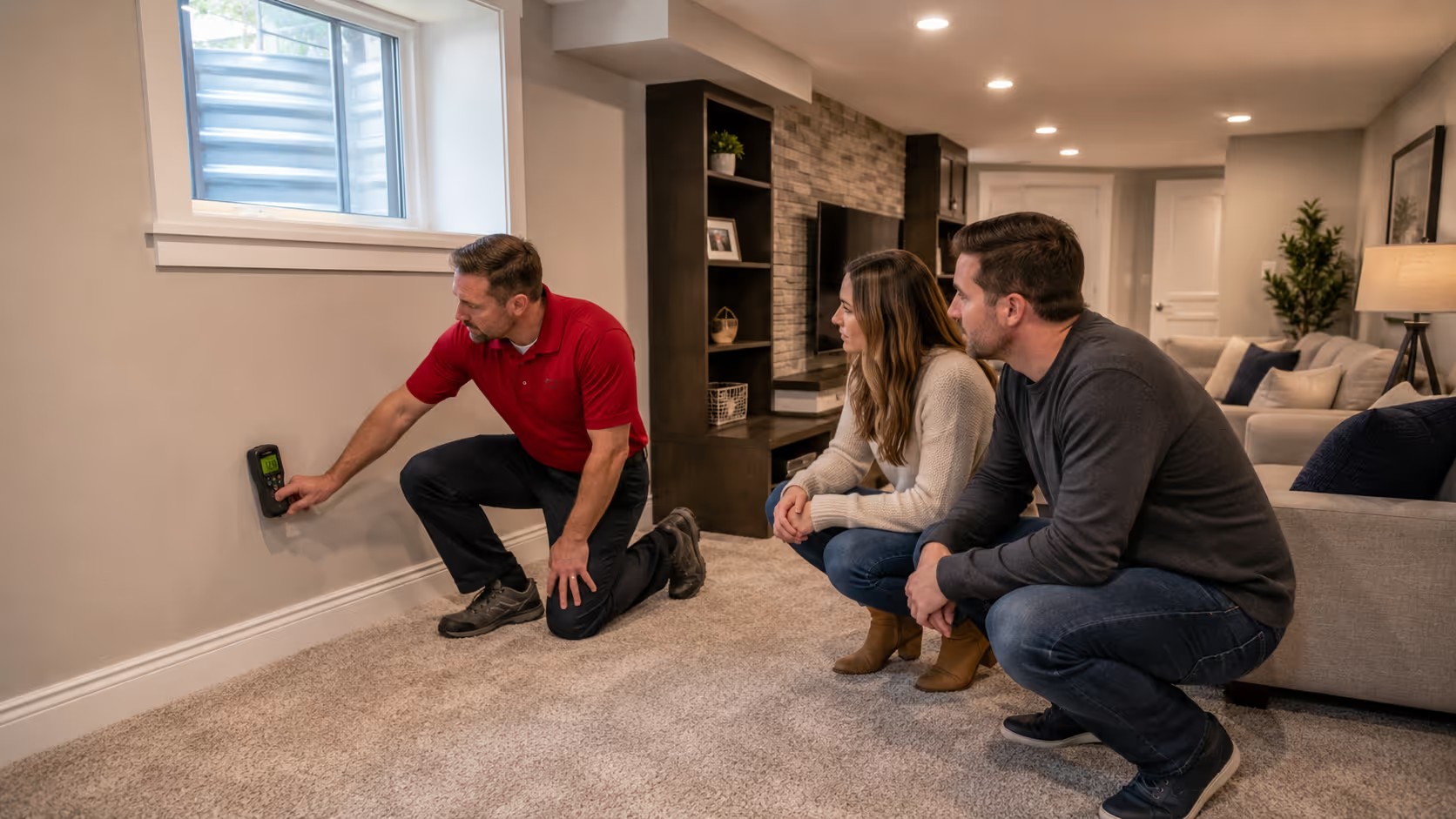
Finished basements can add comfort, space, and value, but they can also hide moisture, drainage, electrical, and ventilation issues. Learn what Calgary buyers should check before making an offer.
read article
Older Calgary homes can be full of charm, but they need a sharper inspection plan. Learn what to check, what costs to expect, and which red flags matter most before you buy.
read article