Mature trees can add beauty, shade, and value, but they can raise hidden home risks too. Learn what Calgary buyers should check around roots, roofs, drains, gutters, grading, and sewer lines.

When buying a Calgary home near mature trees, the inspection should focus on sewer line risk, roof and gutter debris, drainage, foundation moisture clues, tree contact with siding or roofing, root impact near walkways, and grading around the home. Mature trees can make a property feel warm and established, but they can create repair risks if water, roots, branches, and old underground lines are not checked properly.
If the home is older, has large trees near the front yard, or shows slow drains or basement moisture clues, a pre-purchase inspection should be paired with a sewer scope discussion. The inspection helps you understand what is visible, and a sewer scope can show what a standard visual inspection cannot see underground.
Mature trees can be a major selling point. They give shade, privacy, character, and a more settled feel than newer neighborhoods often have. They can make a street feel calmer and make a yard more enjoyable in summer.
At the same time, trees change how you should look at the home. Branches can touch roofs. Leaves can clog gutters. Roots can affect walkways and underground lines. Shade can slow drying near walls and roofs. Large trees can make old sewer lines more risky. None of this means you should avoid homes with trees. It means you should inspect with the trees in mind.
The sewer line is one of the biggest hidden concerns when a home sits near mature trees. Roots look for moisture. If an older sewer line has cracks, gaps, or weak joints, roots may enter and grow inside the pipe. Over time, this can lead to slow drains, backups, or costly repair work.
A standard home inspection cannot see inside the buried sewer line. That is why buyers often ask about a camera inspection. For a full guide, read sewer scope inspections in older Calgary homes.
Trees near the roof can drop leaves, needles, seeds, branches, and grit into gutters. If the gutters clog, roof water can spill over and land beside the foundation. That can lead to soil washout, wet basement corners, and ice issues during freeze and thaw seasons.
If trees are close to the home, gutter care becomes a regular task, not a once-in-a-while job. You can link this topic to gutter and downspout maintenance for Calgary homes for clear homeowner follow-up.
Trees and drainage often connect. A large tree can shape the yard, raise soil, or create low areas where water collects. A downspout that worked years ago may now discharge into a poor spot.
The goal is simple. Roof water should move away from the home and keep moving away. If downspouts end beside the foundation, the home has a preventable moisture risk.
Homes in established neighborhoods often have older grading, older window wells, older drainage setups, and more landscaping changes over time. Add mature trees, and the water path around the home may be less clear than it looks at first.
Basement moisture may come from poor grading, short downspouts, window well issues, cracks, or past water entry. It may not be linked to the trees directly, but trees can be part of the full drainage story. For a deeper guide, read basement moisture in Calgary homes.
Branches that touch the roof, siding, gutters, or windows can cause damage over time. Wind can rub branches against surfaces. Leaves can hold moisture against the roof. Branches can make it easier for pests to reach the house.
Trimming branches may be simple, or it may need a qualified tree service. If branches are large, close to power lines, or hanging over the roof, do not treat it as a DIY job.
Shade can be good in summer, but heavy shade can slow drying after rain or snow melt. Areas that stay damp longer may show more moss, staining, soft trim, or siding wear.
This is not always a major defect. It is a maintenance clue. Homes with heavy shade may need more regular cleaning, trimming, and drainage care.
Large roots can lift sidewalks, driveways, patios, and steps. This can create trip hazards and drainage problems. If hard surfaces tilt toward the home, water may follow that slope.
A lifted sidewalk is not only a safety issue. It can change how water moves across the lot. This should be part of the exterior inspection plan.
Not every mature tree has the same risk. A large tree far from the home may be mostly a benefit. A large tree close to the foundation, sewer path, roof, or driveway deserves a closer look.
If the property has a very large tree close to the home, ask whether a tree professional has reviewed its health and structure. Dead limbs, cracks in the trunk, or leaning trees can create safety and insurance concerns.
Sometimes the property already tells you that roots caused trouble before. Look for repair clues around the yard and basement.
These clues do not mean the home is a bad buy. They mean you should ask what was repaired, when it was repaired, and whether documents are available.
A mature-tree property deserves clear questions before you write an offer.
The answers may not be perfect, but they help shape your inspection plan and your budget.
Tree-related issues can range from simple maintenance to major repairs. Cleaning gutters and trimming small branches may be easy. Sewer line repair, major concrete replacement, or foundation moisture fixes can affect the deal.
After the inspection, focus on real risk, not every small leaf or branch. For help sorting findings, use what to do after a home inspection before you remove conditions.
No. Large trees can be a strong feature. The key is to understand tree location, sewer line risk, branch contact, drainage, and maintenance needs before you buy.
Not always, but it is often smart for older homes, homes with slow drains, homes with mature trees near the sewer path, or homes with past backup history.
Roots can affect soil and nearby surfaces, but basement moisture is often more tied to grading, drainage, cracks, and water control. The inspection should look at the full exterior and basement picture.
A home inspector can note visible tree concerns near the home, but a qualified tree professional should review tree health, large dead limbs, major leaning, or pruning needs.
A Calgary home near mature trees can be a wonderful purchase, but it needs a smart inspection plan. Look at the trees, then look at what the trees may affect: roof drainage, gutters, sewer lines, basement moisture, walkways, and foundation water control. Before you remove conditions, book a pre-purchase inspection and ask whether a sewer scope should be added. If you want help deciding what the property needs, start with a free consultation.

Written by the Calgary Property Inspections team, local home inspection professionals helping buyers, homeowners, and new-build owners make safer, clearer decisions about their homes.

Explore tips, updates, and practical advice on buying, maintaining, and protecting your home. Our posts help you stay informed and confident in every decision.

Finished basements can add comfort, space, and value, but they can also hide moisture, drainage, electrical, and ventilation issues. Learn what Calgary buyers should check before making an offer.
read article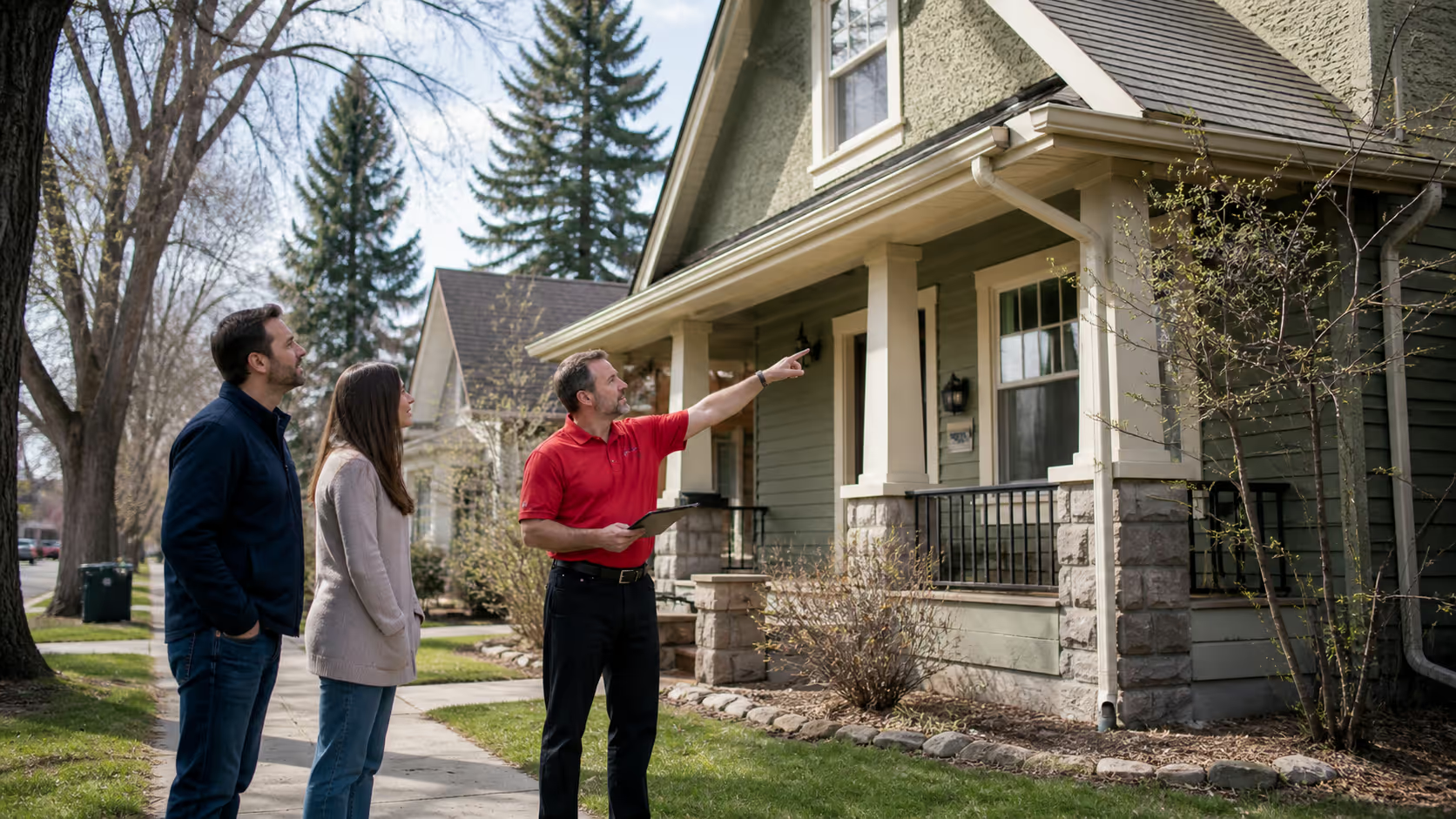
Older Calgary homes can be full of charm, but they need a sharper inspection plan. Learn what to check, what costs to expect, and which red flags matter most before you buy.
read article
The inspection is done, now what? Learn how Calgary buyers can sort the findings, choose what matters, negotiate smartly, and decide whether to move forward with confidence.
read article