A second viewing can reveal what the first one hid. Use this Calgary buyer guide to spot moisture clues, comfort issues, layout problems, and inspection red flags before you write an offer.
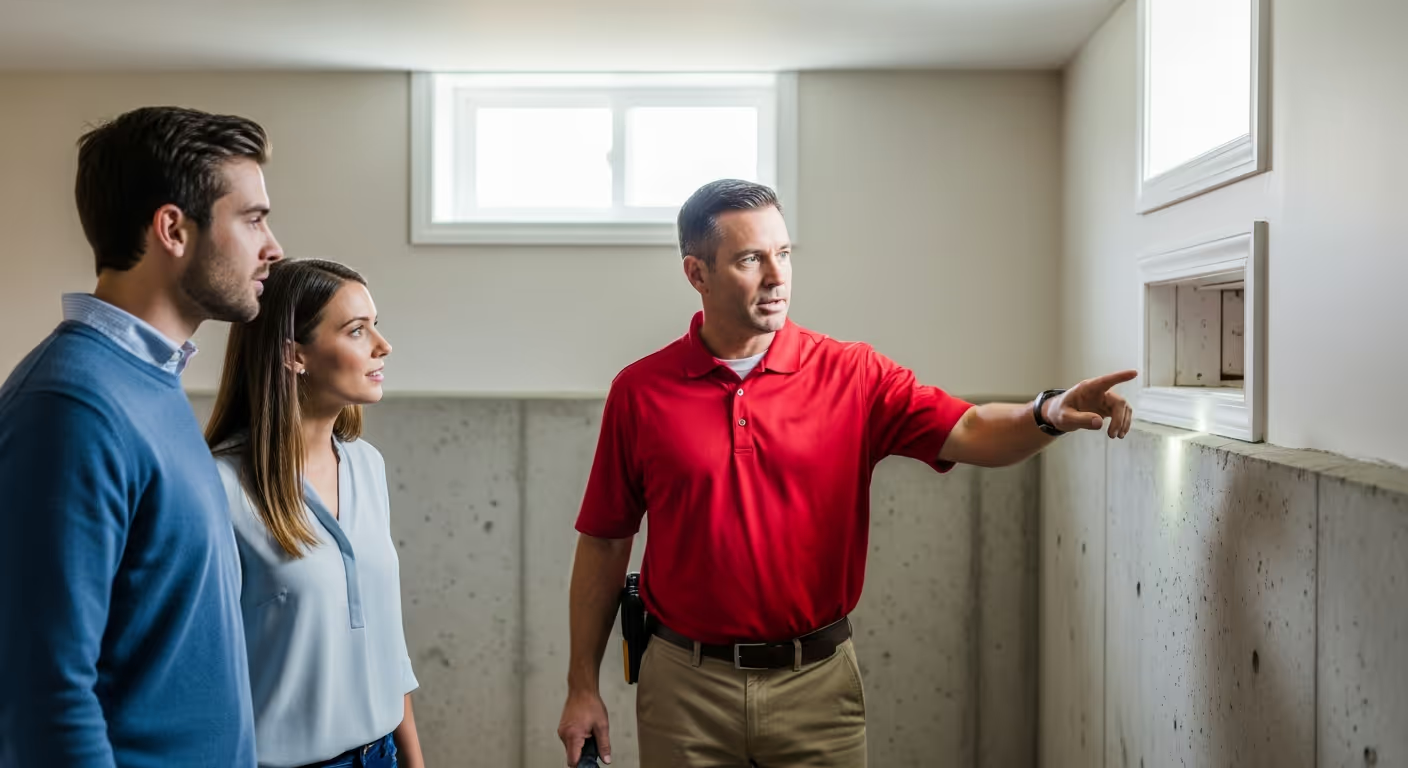
The first viewing is emotional. You notice the light, the kitchen, the yard, the feel of the street, and whether the home matches the picture you had in your head. That is normal. The problem is that emotion makes buyers move fast and miss small signs that matter later.
The second viewing is different. This is your chance to slow down, stop imagining your furniture in the rooms, and start looking at the home like an investment. You are not trying to replace a real inspection. You are trying to decide whether this home deserves your offer, your time, and your inspection condition.
A second viewing works best when you know what you want to learn. Your goal is not to admire the house again. Your goal is to answer a few practical questions:
If you enter with that mindset, the second viewing becomes much more valuable.
You do not need tools or a huge checklist. A simple setup works well.
Dress in a way that lets you kneel, bend, and open cabinets without thinking about it. This is not a social visit. It is a fact-finding visit.
Many buyers rush straight inside. That is a mistake. A lot of future repair costs begin outside.
Walk the perimeter and look at how the ground meets the house. Does the soil seem to slope away, or do you see low spots where water could collect? In Calgary, snow melt and fast warm-ups make drainage a big deal. A basement problem often starts with a bad downspout or a low patch of soil.
Where do they send water? If they dump right beside the foundation, that is worth noting. A short downspout is not a deal-breaker by itself, but it is a sign that drainage may not have been thought through well.
You are not trying to age every shingle. You are looking for obvious signs like missing shingles, uneven lines, damaged flashing areas, or heavy staining near eaves. In winter, snow may hide much of the roof, so look at what is visible and note any limits.
Check around exterior vents, window trim, and doors. Open gaps, cracked sealant, or weathered trim can point to maintenance that has slipped.
If the home has a basement, spend time there. Basements often tell the truth faster than the main floor.
None of these signs alone proves a serious issue. Still, they are important clues. If you notice more than one, the basement should be a focus during inspection.
If you can see basement windows from inside and outside, compare them. Are the wells clean and drained, or do they look like water could sit there during spring melt?
You do not need to become a furnace expert. Just look for basic signs.
Many buyers feel awkward doing this. Do it anyway. Quiet leaks live under sinks for months before anyone notices.
If the cabinets are packed with items and you cannot really see anything, that itself is useful to note. Access limits matter later during inspection too.
Windows and doors affect comfort, heat loss, and moisture. They also tell you how well the home has been maintained.
Drafts and sticking doors can be simple adjustment items. They can also point to settling, air leakage, or poor installation. That is why they matter during the second viewing.
Bathrooms create water, humidity, and wear every day. A fast look is not enough.
Cracked caulking, missing grout, or patchy repairs around tubs and showers are worth noting. They may be simple fixes, but they can also suggest a history of water exposure.
If the seller allows, switch on the fan. You are not measuring airflow perfectly. You are listening for strange sounds and checking whether it seems to move air at all.
If there is a bathroom above the main floor, look at the ceiling below it. Faint stains, repaired patches, or odd paint texture changes can point to past leaks.
You may not be able to run a perfect comfort test, but you can still notice patterns.
Portable heaters are not proof of a problem. Still, when one room always has one, it is worth asking why.
Fresh paint is not bad. Still, some fresh paint jobs hide things rather than improve them.
These are not automatic red flags. They are clues that should shape your inspection questions later.
A second viewing is a great time to ask direct but simple questions. Skip vague questions like “Has the house had any issues?” Ask things that invite clearer answers.
You may not get perfect answers. Even incomplete answers are useful. They tell you what to verify later.
If the property is a condo or townhome, your second viewing should still focus on the unit. Pay extra attention to:
Then pair that with document review through your agent, especially meeting minutes and reserve fund information.
There are a few common mistakes that reduce the value of the visit.
The second viewing is a filter. It helps you decide whether to move forward with more confidence.
Sometimes the value of a second viewing is not that it confirms the house. It is that it saves you from it.
Consider slowing down or walking away if you notice:
Not every imperfect house is a bad house. Still, a second viewing can reveal when the risk no longer fits your budget or comfort level.
A second home viewing is one of the smartest steps a buyer can take. It slows the process down just enough to let logic catch up with emotion. You notice what the first viewing hid. You ask better questions. You spot clues that shape the inspection and the offer. In a Calgary market where repairs can get expensive fast, that extra round of attention can save you stress, money, and regret.
Explore tips, updates, and practical advice on buying, maintaining, and protecting your home. Our posts help you stay informed and confident in every decision.

Most buyers ask the wrong questions and leave with vague comfort. Use these Calgary inspection questions to learn what matters, what to fix first, and what to budget for.
read article
Skipping the inspection can feel tempting in a hot market. Learn what you lose, what to ask for if you must waive, and how Calgary buyers can reduce risk without guessing.
read article
Buying a condo is still buying a home. Learn what a Calgary condo inspection covers inside your unit, what is outside the scope, and what documents you should review.
read article