Your water heater works quietly until it does not. Learn what Calgary homeowners should check, when to call a pro, and how to spot early signs of leaks, rust, and poor performance.
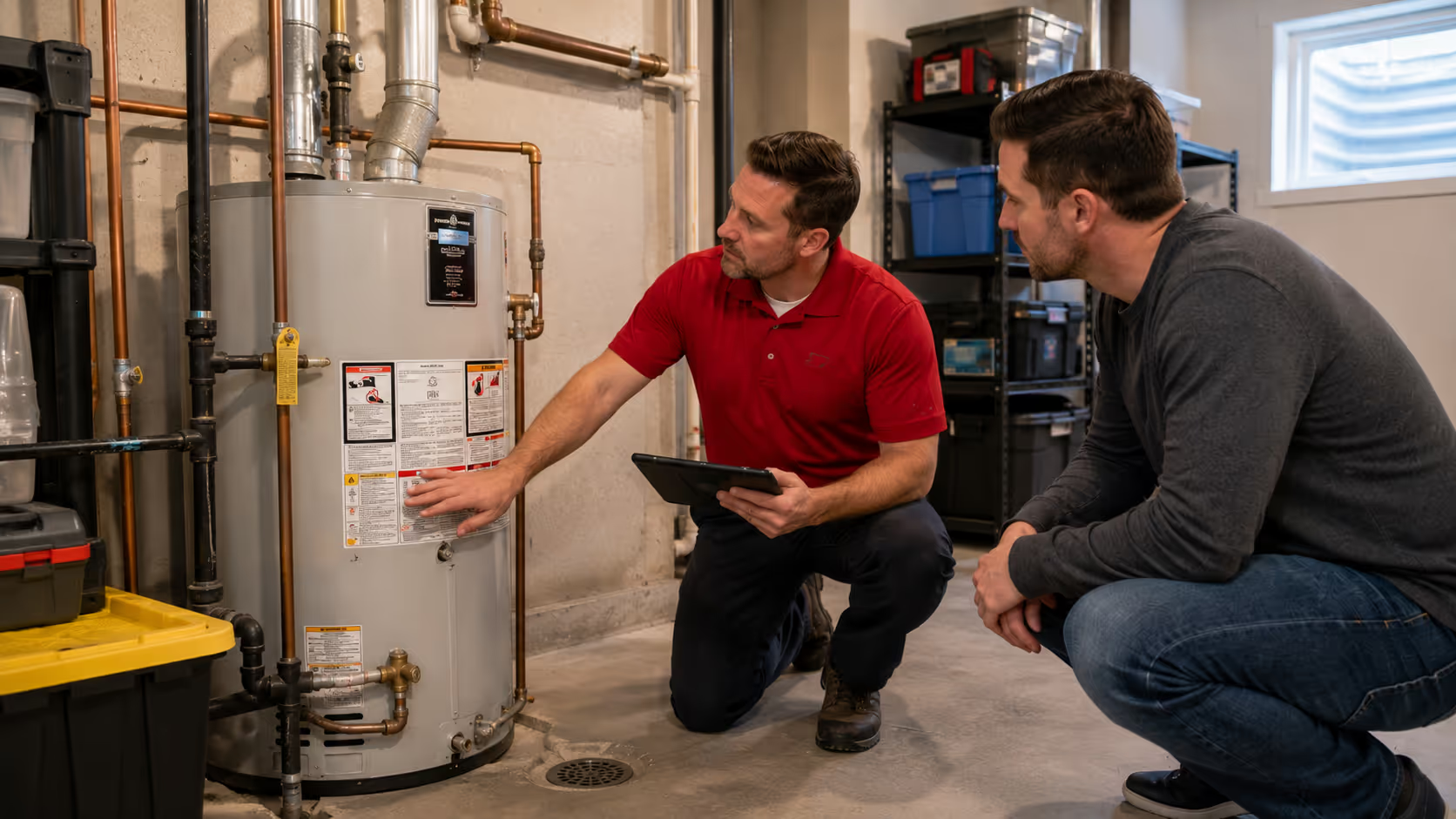
A Calgary homeowner should check the water heater area at least a few times a year for leaks, rust, strange sounds, poor hot water performance, blocked access, venting concerns, and signs of water at the base. You should also know where the water shutoff is, keep the floor drain clear, and call a licensed plumber or HVAC professional if you see active leaking, corrosion, gas smell, backdrafting clues, or repeated loss of hot water.
Your water heater is one of those systems that usually gets ignored until something goes wrong. A simple check during a home maintenance inspection can help you spot problems early and avoid a messy surprise in the basement.
Hot water is part of daily life. Showers, laundry, dishes, cleaning, and handwashing all depend on one system working quietly in the background. When the water heater fails, it can create two problems at once. You lose hot water, and you may also get water damage if the tank leaks.
In Calgary, basements and mechanical rooms often hold the water heater, furnace, main shutoff, floor drain, and other important systems. A small leak in this area can spread into finished basement flooring, storage, drywall, or nearby equipment if it is not noticed early.
The simplest water heater check is also one of the most useful. Look at the floor around the tank. You are checking for signs that water has been there recently or repeatedly.
If you see active water at the base, do not ignore it. Take photos, move stored items away, and call a professional. Water heater leaks can get worse quickly.
Sometimes a small amount of moisture can appear during certain operating conditions, but repeated water near the tank should always be taken seriously. The safest homeowner approach is simple: if water keeps coming back, treat it like a leak until a professional confirms otherwise.
Water damage often starts small. If you want to understand early water clues in other parts of the home, read how to spot early water damage in your Calgary home.
Look at the pipes and fittings near the top of the water heater. You are not trying to tighten or repair anything during a basic check. You are looking for visible clues.
Small drips at the top can run down the tank and look like the tank itself is leaking. A plumber can confirm the source and whether the repair is simple or more serious.
Every homeowner should know how to shut off water to the heater and how to shut off the main water supply to the home. This is not something you want to learn during an emergency.
If the valve is hidden behind boxes or shelves, clear the area. Fast access can reduce damage during a leak.
Many mechanical rooms have a floor drain. That drain is there for a reason. If a leak happens, the drain may help reduce damage, but only if it is open and working.
If the mechanical room has no clear drain or if the drain seems blocked, mention it during an inspection. This matters even more if the basement is finished. For buying context, see buying a home with a finished basement in Calgary.
Water heaters can make some normal operating sounds, but new or loud noises deserve attention. Popping, rumbling, or banging can sometimes point to sediment buildup, pressure concerns, or other issues.
If a sound is new, record a short video. That can help a plumber understand what is happening before they arrive.
Performance changes are often early warning signs. If your home suddenly runs out of hot water faster than normal, or the water never gets as hot as it used to, something may be changing.
Do not assume every performance issue means the tank must be replaced. Some issues may be repairable. The key is to act before the system fails fully.
If your water heater uses gas, venting matters. Combustion gases must leave the home safely. Homeowners should not take apart venting, but they can look for visible warning signs.
If you smell gas, leave the area and call for help from a safe location. Do not try to diagnose it yourself.
Gas water heaters, furnaces, boilers, and fireplaces all make carbon monoxide safety important. Your home should have working CO alarms in the right areas, especially near sleeping spaces.
If you have not checked your alarms recently, read smoke and CO alarm checklist for Calgary homes. CO safety should be part of every water heater and furnace maintenance plan.
Mechanical rooms often become storage rooms. That creates problems. If boxes, paint cans, holiday decorations, or tools block the water heater, leaks are harder to see and service is harder to perform.
A clean mechanical room is not just about neatness. It helps you catch issues early.
Many water heater maintenance guides mention flushing the tank to reduce sediment. This can be helpful in some cases, but it should be done correctly. If the tank is older, has not been maintained, or has valves that look worn, careless flushing can create leaks or valve problems.
If you are unsure, ask a plumber. For many homeowners, the safest first step is not DIY flushing. It is a professional review and a clear maintenance plan.
Age matters, but condition matters more. A newer tank can still have issues if it was installed poorly or neglected. An older tank may still be working, but it may carry more leak risk.
If you are buying a home and the water heater is near end of life, include it in your first-year budget. You can learn how to sort inspection findings in what to do after a home inspection before you remove conditions.
New-build buyers should still check the water heater setup before possession. New does not always mean perfect. Look at access, shutoffs, venting, floor drain location, and whether the homeowner will receive basic operating instructions.
If you are preparing for possession, pair this check with 30 day new home checklist for Calgary buyers.
Older homes may have older tanks, older plumbing connections, tight mechanical rooms, or past repairs. During a pre-purchase inspection, ask about visible age, condition, venting, leaks, and whether replacement should be part of your budget.
If the home is older, you may also want to review buying an older Calgary home.
Do a quick visual check every few months and after any plumbing concern. Look for leaks, rust, strange sounds, blocked access, and changes in hot water performance.
It should always be treated seriously until the source is confirmed. Take photos, move storage away, and call a professional if water keeps appearing.
No. A home inspector visually reviews accessible conditions and notes concerns. A licensed plumber or HVAC professional handles service, repair, or replacement.
Sometimes, yes. If the unit is old, rusting, unreliable, or located near finished areas where a leak could cause major damage, planned replacement may be smarter than waiting for failure.
Your water heater does not need daily attention, but it does need regular checks. Keep the area clear, know your shutoffs, watch for leaks, and take changes seriously. If you want a full review of your mechanical room and other home systems, book a home maintenance inspection or contact Calgary Property Inspections with your questions.

Written by the Calgary Property Inspections team, local home inspection professionals helping buyers, homeowners, and new-build owners make safer, clearer decisions about their homes.

Explore tips, updates, and practical advice on buying, maintaining, and protecting your home. Our posts help you stay informed and confident in every decision.
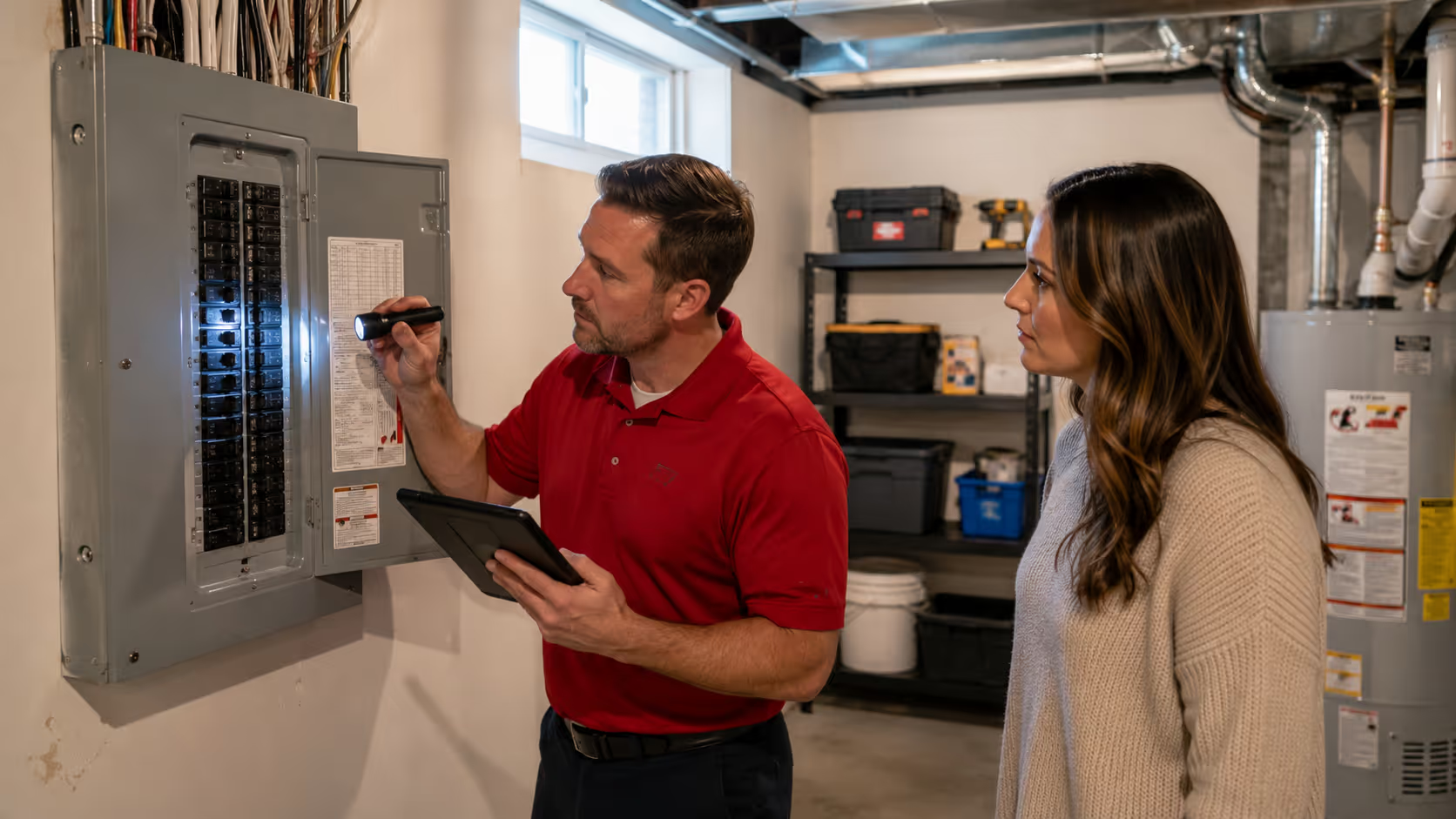
Small electrical issues can point to bigger safety risks. Learn what Calgary homeowners should check, what warning signs matter, and when to call a licensed electrician.
read article
Smoke and carbon monoxide alarms are small devices with a huge job. Learn where to place them, how often to test them, and what Calgary homeowners should check through the year.
read article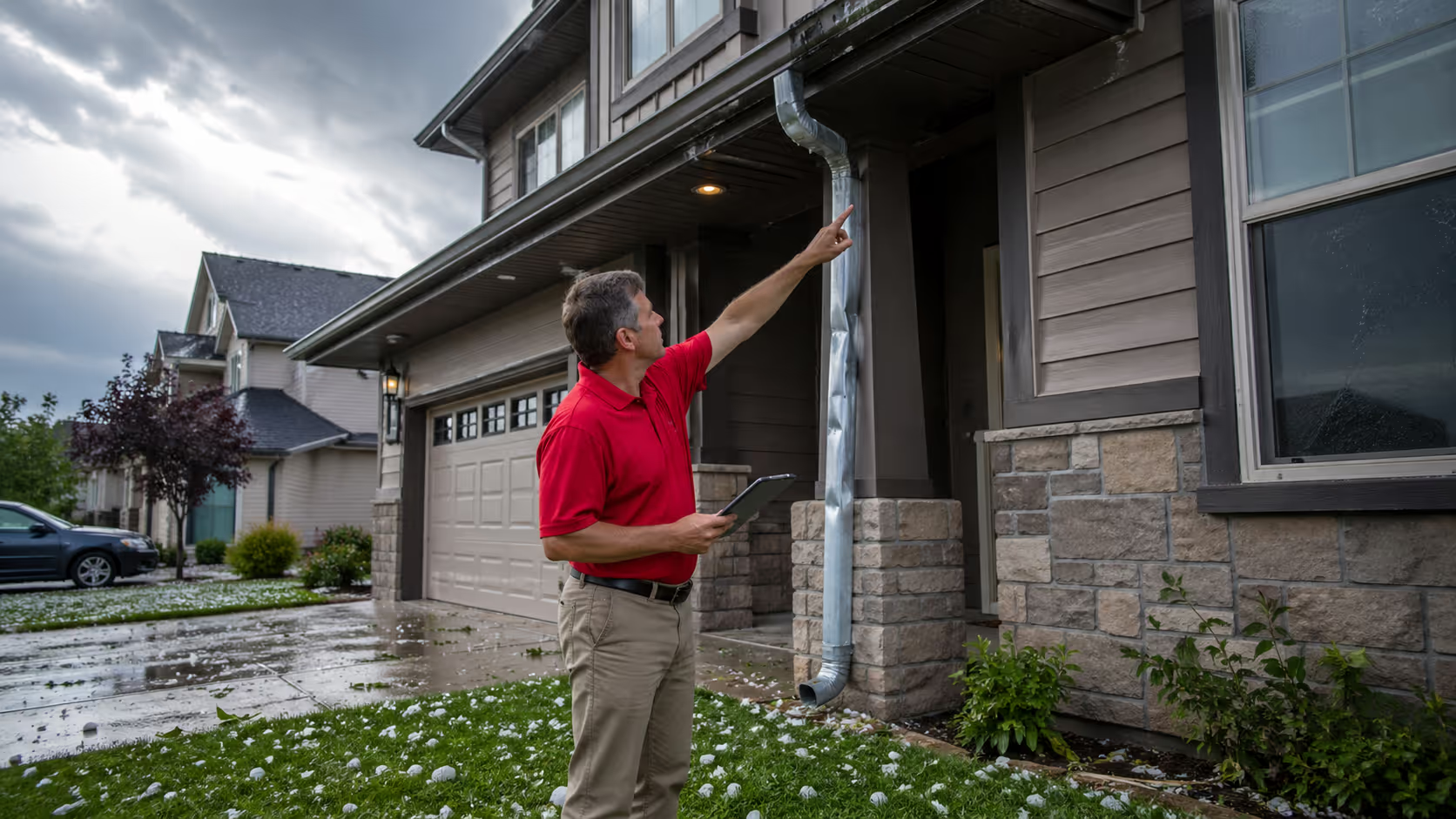
Hail can damage roofs, siding, vents, gutters, windows, and outdoor equipment. Use this Calgary checklist to spot early signs, document damage, and plan the right next steps.
read article