Small electrical issues can point to bigger safety risks. Learn what Calgary homeowners should check, what warning signs matter, and when to call a licensed electrician.
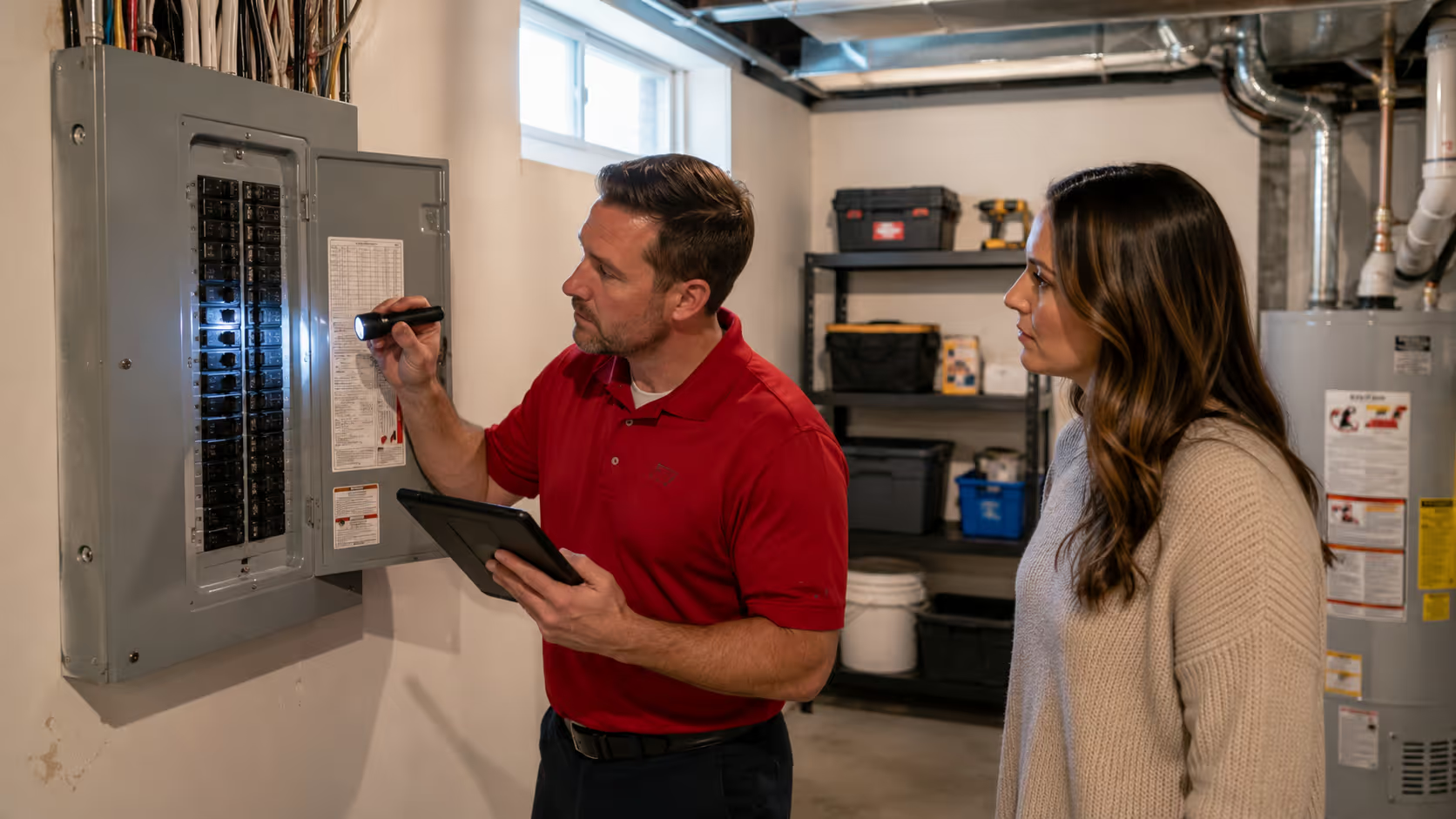
Electrical safety checks help you catch small warning signs before they turn into fire, shock, or repair risks. Calgary homeowners should check outlets, switches, GFCI protection, panel access, visible cords, lights, smoke and CO alarms, and any signs of heat or damage. If you see burning smells, warm outlets, frequent breaker trips, flickering lights, or DIY wiring, call a licensed electrician.
A regular home maintenance inspection can help spot visible electrical concerns and build a safer repair list. An inspector does not replace an electrician, but they can show you which issues need faster attention.
Electrical issues are easy to overlook. A loose outlet still powers a lamp. A breaker that trips once can feel like a small annoyance. A missing cover plate may look like a quick weekend fix. But these small signs can point to poor connections, overloaded circuits, moisture near wiring, or unsafe past work.
In Calgary homes, electrical checks are useful all year, but they matter more before winter. People use more indoor lighting, plug in more devices, run space heaters, and spend more time inside. A safe electrical setup helps protect the home during the season when systems work harder.
The panel is the control center for your home’s electrical system. You do not need to open the panel cover or touch internal wiring. Leave that to a licensed electrician. But you can still check the visible setup around it.
If the panel is hidden behind boxes or shelving, fix that first. Clear access matters during repairs, inspections, and emergencies.
A breaker is meant to shut off power when something is wrong. One trip may happen from a simple overload. Repeated trips should not be ignored.
Do not keep resetting a breaker over and over. If it trips again, unplug devices on that circuit and call an electrician if the cause is not clear.
Outlets get used every day, so they are a good place to start. Walk through the home and look closely at outlets in living areas, kitchens, bathrooms, bedrooms, basement rooms, garage areas, and outside.
Warm outlets, buzzing, scorch marks, and burning smells need quick attention. Stop using that outlet and call a licensed electrician.
GFCI outlets help protect people from shock in areas where water may be present. You often see them in bathrooms, kitchens, laundry areas, garages, exterior areas, and unfinished basement areas.
If the outlet does not trip or does not reset, it should be checked. A GFCI that does not work is not protecting you.
Water and electricity are a risky mix. Bathrooms and kitchens should always get a closer look during a safety check.
Moisture issues in these rooms can also create electrical risk. If you have water stains, leaks, or damp cabinets, read how to spot early water damage in your Calgary home.
Extension cords are fine for short-term use. They should not become a permanent fix for poor outlet placement or overloaded rooms.
If a room always needs extension cords, the safer long-term fix is usually adding proper outlets through a licensed electrician.
Space heaters are common in Calgary winters, especially in basements, offices, and rooms over garages. They can be useful, but they must be used carefully.
If a room needs a space heater all winter, that may point to a comfort or airflow problem. The guide on common comfort problems in new Calgary homes can help explain why some rooms feel colder than others.
One flicker when a large appliance starts may not be a major issue. Repeated flickering, dimming, or buzzing lights should be checked.
If several lights flicker across the home, call an electrician. If only one fixture flickers, start by checking the bulb, then have the fixture reviewed if the problem continues.
Older homes and renovated homes can have several layers of electrical work. Some may be professional. Some may not.
If you are buying an older property, the article on buying an older Calgary home is a strong related read. Older homes can be great, but electrical history needs a close look.
Finished basements often include added outlets, pot lights, media walls, bathrooms, offices, or wet bars. This work may have been added years after the home was built.
For buying context, use buying a home with a finished basement in Calgary. It connects electrical checks with moisture, safety, and hidden finish risks.
Smoke and carbon monoxide alarms are small devices with a major safety role. Test them monthly and check expiry dates. Hardwired alarms may still need backup batteries, so do not ignore them.
If you have not reviewed your alarm setup lately, read smoke and CO alarm checklist for Calgary homes. It pairs well with any electrical safety review.
Exterior outlets, lights, and cords face rain, snow, sun, and freeze-thaw cycles. They need attention too.
Do outdoor checks in spring and fall. Pair them with the fall home maintenance checklist for Calgary homes before winter arrives.
A home inspector checks visible and accessible electrical items. They do not open walls or act as an electrician, but they can spot common concerns.
If something looks unsafe or unclear, the report may recommend review by a licensed electrician.
Some cover plate or device movement may look simple, but electrical work carries risk. If the outlet itself moves, feels warm, sparks, or has poor contact with plugs, call an electrician.
It may be an overloaded circuit, a faulty appliance, a wiring issue, or a weak breaker. If it keeps happening, do not keep resetting it. Get it checked.
Power bars can be safe for light device use, but they should not be chained together or used for high-load devices like space heaters.
Yes. Visible electrical safety concerns are part of a proper inspection. For buyers, a pre-purchase inspection helps identify electrical items that may affect safety, negotiation, or first-year repair plans.
Electrical safety is not something to guess on. Do the simple checks you can do safely, then call a licensed electrician for anything warm, damaged, buzzing, sparking, repeatedly tripping, or unclear. If you want a wider safety and maintenance review, book a home maintenance inspection or contact Calgary Property Inspections with your questions.

Written by the Calgary Property Inspections team, local home inspection professionals helping buyers, homeowners, and new-build owners make safer, clearer decisions about their homes.

Explore tips, updates, and practical advice on buying, maintaining, and protecting your home. Our posts help you stay informed and confident in every decision.
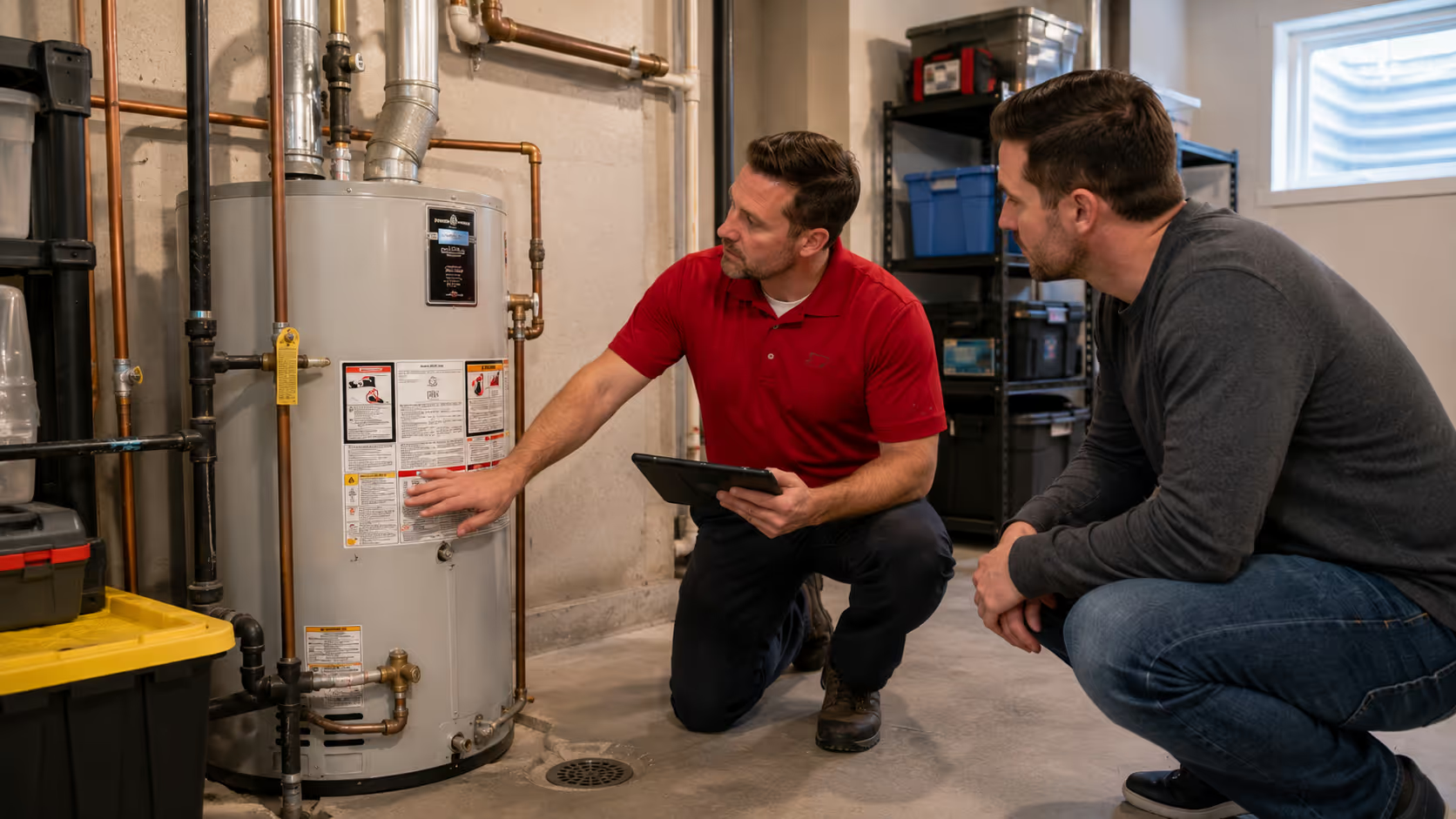
Your water heater works quietly until it does not. Learn what Calgary homeowners should check, when to call a pro, and how to spot early signs of leaks, rust, and poor performance.
read article
Smoke and carbon monoxide alarms are small devices with a huge job. Learn where to place them, how often to test them, and what Calgary homeowners should check through the year.
read article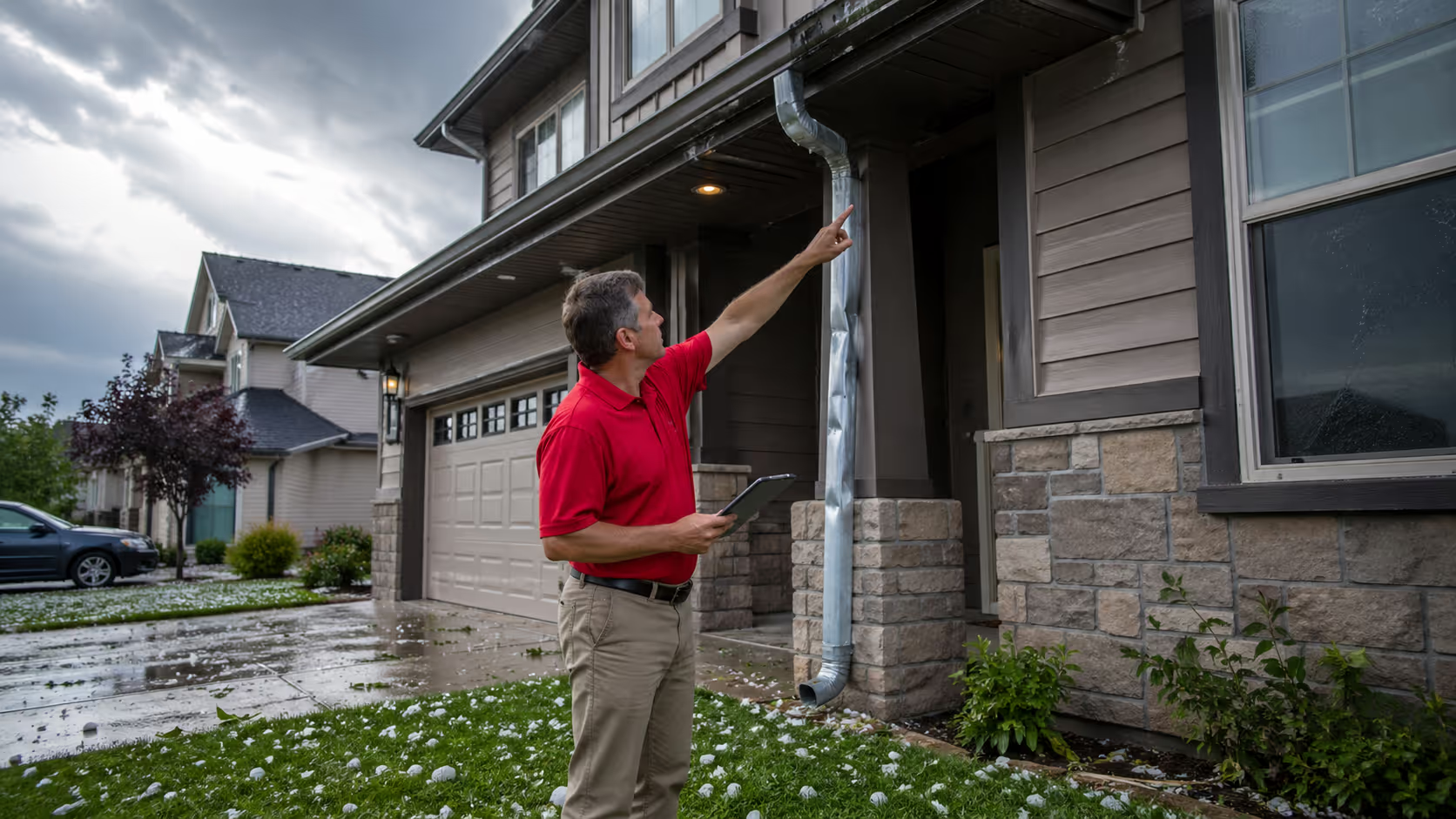
Hail can damage roofs, siding, vents, gutters, windows, and outdoor equipment. Use this Calgary checklist to spot early signs, document damage, and plan the right next steps.
read article